


|
|
|
Note to affiliate: Please update the brand name and generic name as part of your local approval designations.
Please refer to the PRODUODOPA Summary of Product Characteristics (SmPC) for complete Prescribing and Safety Information.
Note to affiliate: The information within this website is based on the draft SmPC submitted to MPA on 3 March 2023. This website also includes 52-week 741 study data from the third interim analysis that was published 25 August 2023, and 12-week analysis from the 736 study. Local review and approval will be needed prior launching this website. Please refer to the Campaign Guidance Document developed for further guidance on key claims utilized within this piece. This piece also includes pump information, which is intended for use post drug and device approval or as appropriate based on country-specific regulations.

First and Only
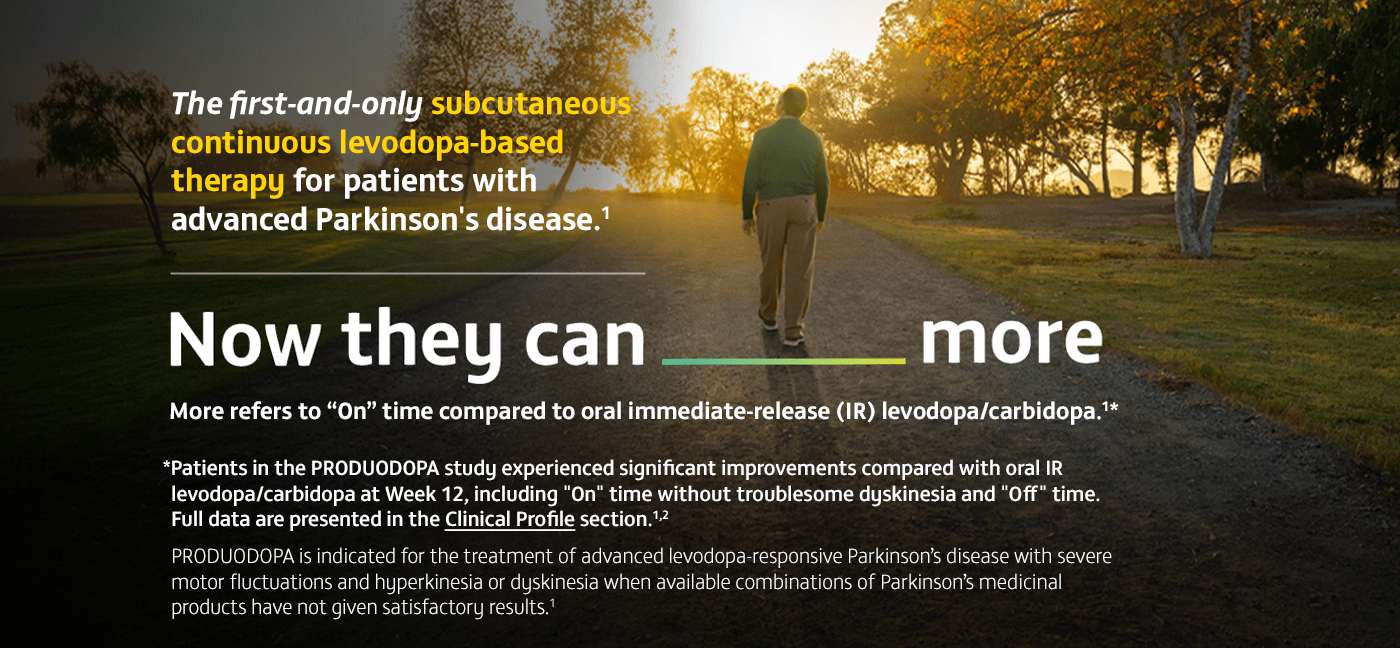
A new possible course of action as the first-and-only continuous subcutaneous levodopa-based therapy for patients with advanced Parkinson’s disease.1-3
PRODUODOPA is indicated for the treatment of advanced levodopa-responsive PD with severe motor fluctuations and hyperkinesia or dyskinesia when available combinations of Parkinson’s medicinal products have not given satisfactory results.1

More Motor Control*
Improved motor symptoms control continuously morning, day, and night,†‡ with increased daily “On” time.1,2

Continuous and Personalized
PRODUODOPA provides a wide range of customizable dosing, delivered via a single infusion site and canula that can remain in place for up to 3 days, to accommodate individual patient needs.1§
PRODUODOPA can be taken alone or, if necessary, with other concurrent medicinal products for PD, based on the judgment of the HCP.1
*More refers to improvement from baseline compared with oral IR levodopa/carbidopa in “On” and “Off” time at Week 12.1 Tap the underlined link to see data.
†Patients made an entry in a PD diary upon waking and every 30 minutes during their normal waking time, and upon awakening from time asleep.1,2
‡PRODUODOPA is a levodopa-based therapy delivered subcutaneously as a 24-hour infusion.1,2
§Rotate the infusion set and use a new infusion set at least every 3 days.1 PRODUODOPA allows for dosing up to 4260 mg levodopa/day with 3 programmable flow rates (base, high, and low) and an extra-dose capability. Infusion rates may be adjusted in increments as small as 0.01 mL/hour (~1.7 mg of levodopa/hour).1
HCP=healthcare professional; IR=immediate release; PD=Parkinson’s disease.

Safety
The most frequent adverse reactions (≥10%) were infusion site events (infusion site erythema, infusion site cellulitis, infusion site nodule, infusion site pain, infusion site oedema, infusion site reaction, and infusion site infection), hallucination, fall, and anxiety.1

Safety
The most frequent adverse reactions (≥10%) were infusion site events (infusion site erythema, infusion site cellulitis, infusion site nodule, infusion site pain, infusion site oedema, infusion site reaction, and infusion site infection), hallucination, fall, and anxiety.1

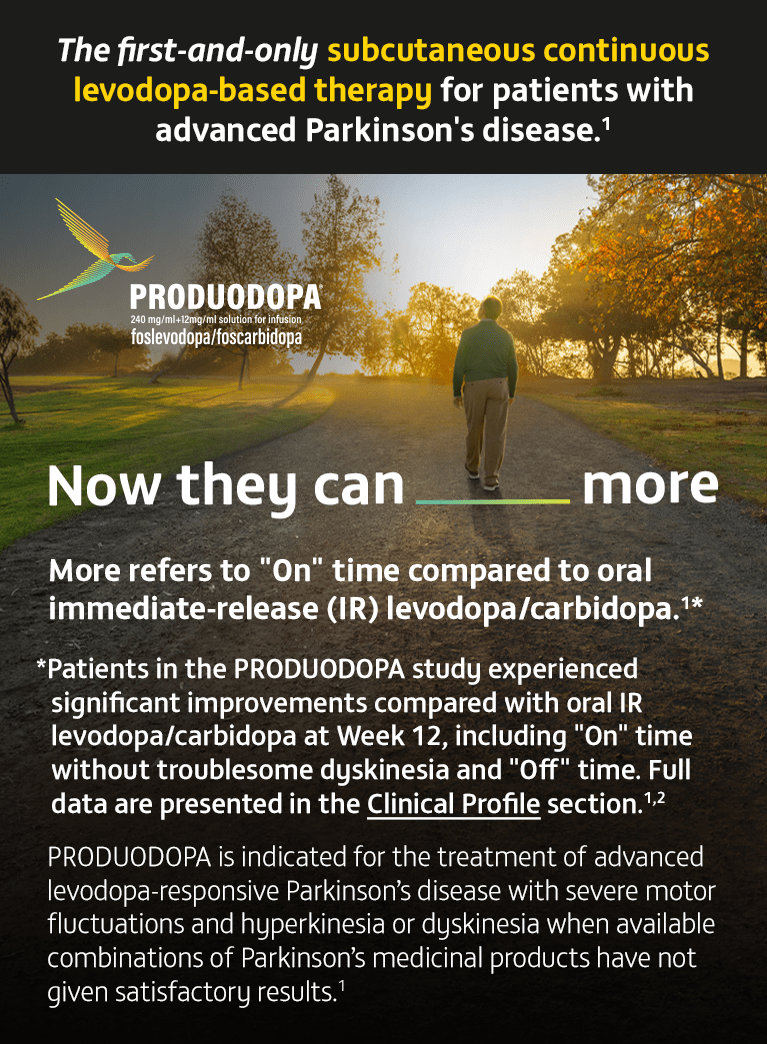
*Consider PRODUODOPA for patients with advanced levodopa-responsive PD with severe motor fluctuations and hyperkinesia when available PD medicine combinations have not given satisfactory results, who want more "On" time in their day†
†MORE refers to "On" time compared to oral immediate-release (IR) levodopa/carbidopa.1
Note to affiliate: The intent of the 3 patient profiles is that each customer sees all 3 patient profiles, either in one call or during the course of several calls. When utilizing the patient profiles, it is important to discuss the profiles for James and Hina first, before reviewing the profile for Jean.
PRODUODOPA is indicated for the treatment of advanced levodopa-responsive Parkinson’s disease with severe motor fluctuations and hyperkinesia or dyskinesia when available combinations of Parkinson medicinal products have not given satisfactory results.
*“On” time without troublesome dyskinesia is the sum of “On” time without dyskinesia and “On” time with non‑troublesome dyskinesia.2
Active-control, 12‑week pivotal study2,†
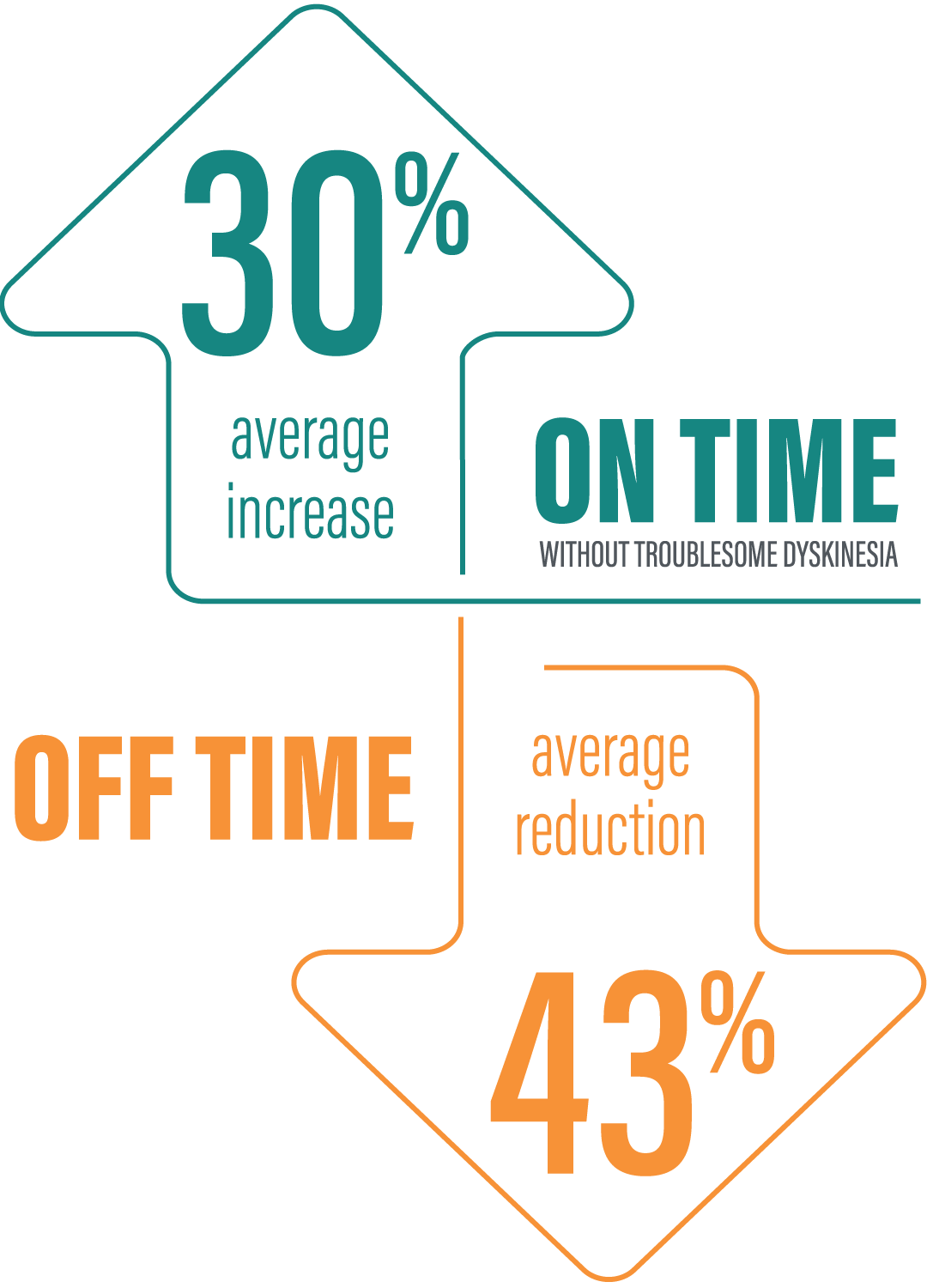
†Based on the PD diary, the average daily normalized “On” time without troublesome dyskinesia for patients on PRODUODOPA was 9.20 (+/-2.42) hours at baseline and increased by 2.72 (+/-0.52) hours at Week 12 compared with an increase of 0.97 (+/-0.50) hours at Week 12 from a baseline of 9.49 (+/-2.62) hours for patients taking optimized IR levodopa/carbidopa (LS mean change [SE]). This resulted in a statistically significant improvement of 1.75 (+/-0.65) hours in patients on PRODUODOPA vs oral IR LD/CD (LS mean of difference [SE]; P=0.0083). Based on the PD diary, the average daily normalized “Off” time for patients on PRODUODOPA was 6.34 (+/-2.27) hours at baseline and decreased by 2.75 (+/-0.50) hours at Week 12 compared with a decrease of 0.96 (+/-0.49) hours at Week 12 from a baseline of 5.91 (+/-1.88) hours for patients taking optimized IR levodopa/carbidopa (LS mean change [SE]). This resulted in a statistically significant improvement of 1.79 (+/-0.63) hours in patients on PRODUODOPA vs oral IR LD/CD (LS mean of difference [SE]; P=0.0054).1
Single-arm, 52‑week safety study1,6‡§
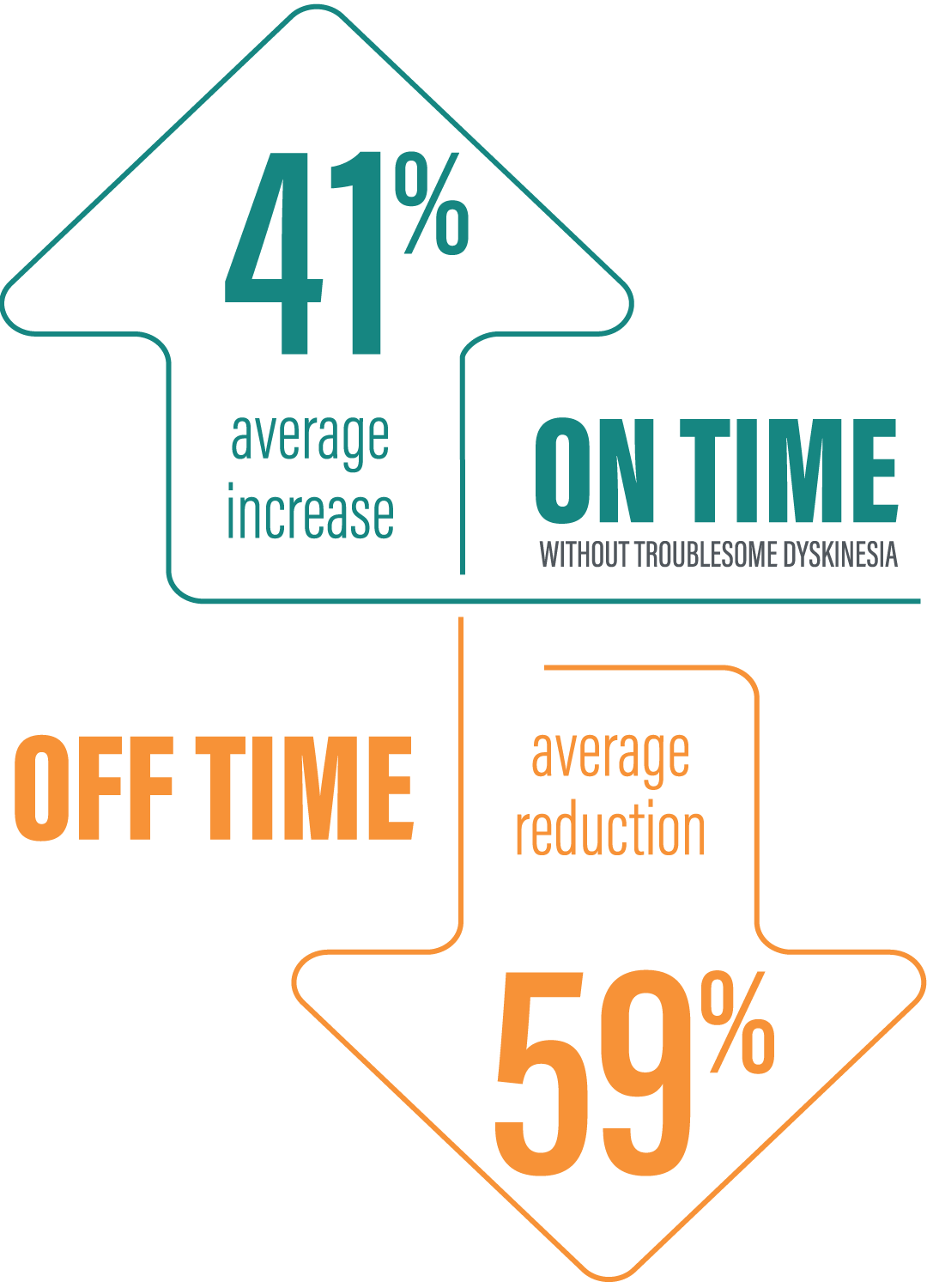
‡“On” time without troublesome dyskinesia improved by an average of 3.8 hours by Week 52 (mean 12.9 hours) compared to baseline (mean 9.1 hours) based on the PD diary (N=104). “Off” time was decreased by an average of 3.5 hours by Week 52 (mean 2.5 hours) compared to baseline (mean 6.0 hours) based on the PD diary (N=104).1,6
§Data presented reflect the third interim analysis of 52-week study results that includes 104 patients. This study is ongoing.1
IR=immediate release; LS=least squares; SE=standard error; PD=Parkinson's disease.


Offers a wide range of dosing, up to 4260 mg levodopa/day


The Vyafuser® System allows infusion rate adjustments in increments as small as 0.01 mL/hour (~1.7 mg of levodopa/hour)


The Vyafuser® System offers 3 programmable flow rates (low, base, high) and an extra-dose capability


The only subcutaneous continuous levodopa-based therapy delivery system with a single infusion site and canula that can remain in place for up to 3 days*
*For interruptions longer than 1 hour, or same infusion site/cannula used continuously for up to 3 days, a new infusion set (tubing and cannula) should be used and rotated to a different infusion site.
Learn more about your options for starting and optimizing treatment
Are You Ready?
PRODUODOPA is indicated for the treatment of advanced levodopa-responsive Parkinson’s disease with severe motor fluctuations and hyperkinesia or dyskinesia when available combinations of Parkinson’s medicinal products have not given satisfactory results.1
Please refer to the PRODUODOPA SmPC for complete Prescribing and Safety Information.
REFERENCES:
- [DRAFT] Produodopa® (foslevodopa/foscarbidopa solution for infusion) Summary of Product Characteristics (SmPC). <insert current SmPC date>.
- Soileau MJ, Aldred J, Budur K, et al. Safety and efficacy of continuous subcutaneous foslevodopa-foscarbidopa in patients with advanced Parkinson’s disease: a randomised, double-blind, active-controlled, phase 3 trial. Lancet Neurol. 2022;21(12):1099-1109. doi:10.1016/S1474-4422(22)00400-8. Erratum in: Lancet Neurol. 2023;22(3):e5.
- Rosebraugh M, Liu W, Neenan M, Facheris MF. Foslevodopa/foscarbidopa is well tolerated and maintains stable levodopa and carbidopa exposure following subcutaneous infusion. J Parkinsons Dis. 2021;11(4):1695-1702. doi:10.3233/JPD-212813
- Lundqvist C. Continuous levodopa for advanced Parkinson’s disease. Neuropsychiatr Dis Treat. 2007;3(3):335-348.
- Tambasco N, Romoli M, Calabresi P. Levodopa in Parkinson’s disease: current status and future developments. Curr Neuropharmacol. 2018;16(8):1239-1252. doi:10.2174/1570159X15666170510143821
- Aldred J, Freire-Alvarez E, Amelin AV, et al. Continuous Subcutaneous Foslevodopa/Foscarbidopa in Parkinson's Disease: Safety and Efficacy Results From a 12-Month, Single-Arm, Open-Label, Phase 3 Study. Neurol Ther. 2023. doi: 10.1007/s40120-023-00533-1. Epub ahead of print.
- Rosebraugh M, Stodtmann S, Liu W, Facheris MF. Foslevodopa/foscarbidopa subcutaneous infusion maintains equivalent levodopa exposure to levodopa-carbidopa intestinal gel delivered to the jejunum. Parkinsonism Relat Disord. 2022;97:68-72.
- [DRAFT]Produodopa® (foslevodopa/foscarbidopa solution for infusion) Patient Pump Instructions for Use. <insert current patient IFU date>.
▼ This medicinal product is subject to additional monitoring. This will allow quick identification of new safety information. Healthcare professionals are asked to report any suspected adverse reactions.
PRODUODOPA® Indication and Summary of Important Treatment Considerations1
Indication:
Treatment of advanced levodopa-responsive Parkinson’s disease with severe motor fluctuations and hyperkinesia or dyskinesia when available combinations of Parkinson medicinal products have not given satisfactory results.
Contraindications:
PRODUODOPA is contraindicated in patients with hypersensitivity to the active substances or to any of the excipients, narrow-angle glaucoma, severe heart failure, acute stroke, severe cardiac arrhythmia, co-medication with selective type A inhibitors and nonselective MAO inhibitors, conditions contraindicated for adrenergics (e.g. pheochromocytoma, hyperthyroidism, and Cushing’s syndrome), and suspicious skin lesions or history of melanoma.
Some special warnings and precautions for PRODUODOPA:
• Not recommended for the treatment of drug-induced extrapyramidal reactions.
• Caution use in patients with: severe cardiovascular or pulmonary disease, bronchial asthma, renal, hepatic or endocrine disease, or history of peptic ulcer disease or of convulsions, history of myocardial infarction with residual atrial nodal or ventricular arrhythmias, cardiac function should be monitored during the initial dosage adjustments. Monitor all patients for the development of mental changes, depression with suicidal tendencies, and other serious mental changes. Caution with past or current psychosis and antipsychotics. Higher frequency of hallucinations may occur with dopamine agonists and/or other dopaminergic treatments including PRODUODOPA. Monitor patients regularly for the development of impulse control disorders, for example Dopamine Dysregulation Syndrome (DDS). Caution in chronic wide-angle glaucoma; monitor for intra-ocular pressure changes. Levodopa may induce hypotension, somonolence and sudden sleep: caution should be exercised when driving and operating machines. Risk of symptoms resembling Neuroleptic Malignant Syndrome following abrupt dose reduction or discontinuation.
• Patients with Parkinson’s disease have a higher risk of developing melanoma. Monitor patients for melanomas on a regular basis when using PRODUODOPA.
• Periodic evaluation of hepatic, haematopoietic, cardiovascular and renal function is recommended during extended therapy with PRODUODOPA.
• PRODUODOPA contains hydrazine (foscarbidopa degradation product), that can be genotoxic and probably carcinogenic. The approximately median exposure of hydrazine is 0.2 mg/day, with a maximum of 0.5 mg/day. The clinical significance of this hydrazine exposure is not known.
• Polyneuropathy has been reported; evaluate for history/signs of and known risk factors before starting therapy.
• PRODUODOPA is high in sodium; considered especially in patients on a low salt diet.
• Caution is needed in concomitant administration of PRODUODOPA with the following medicinal products: Antihypertensive, antidepressants, COMT inhibitors, dopamine agonists, MAO inhibitors, amantadine. Foscarbidopa is a potential inducer of CYP1A2 in vitro. Care should be taken when prescribing PRODUODOPA in combination with sensitive CYP1A2 substrates (e.g. caffeine).
• PRODUODOPA is not recommended during pregnancy. Breast-feeding should be discontinued during treatment with PRODUODOPA.
• The most frequent adverse reactions (≥10%) were infusion site events (infusion site erythema, infusion site nodule, infusion site cellulitis, infusion site oedema, infusion site pain, infusion site infection, and infusion site reaction), hallucination, fall, anxiety, and dizziness.
• Infusion site events were reported with Produodopa in the clinical studies. Following aseptic techniques and frequent rotation of the infusion site are recommended to reduce the risk. Few patients who reported infusion site reactions also experienced infusion site infections. Therefore, careful monitoring of serious infusion site reactions and infusion site infections is recommended.
Please refer to the Produodopa SmPC for complete Prescribing and Safety Information.
<placeholder link for local PRODUODOPA SmPC>
ALL-PRODD-220020. Date of preparation: July 2023.
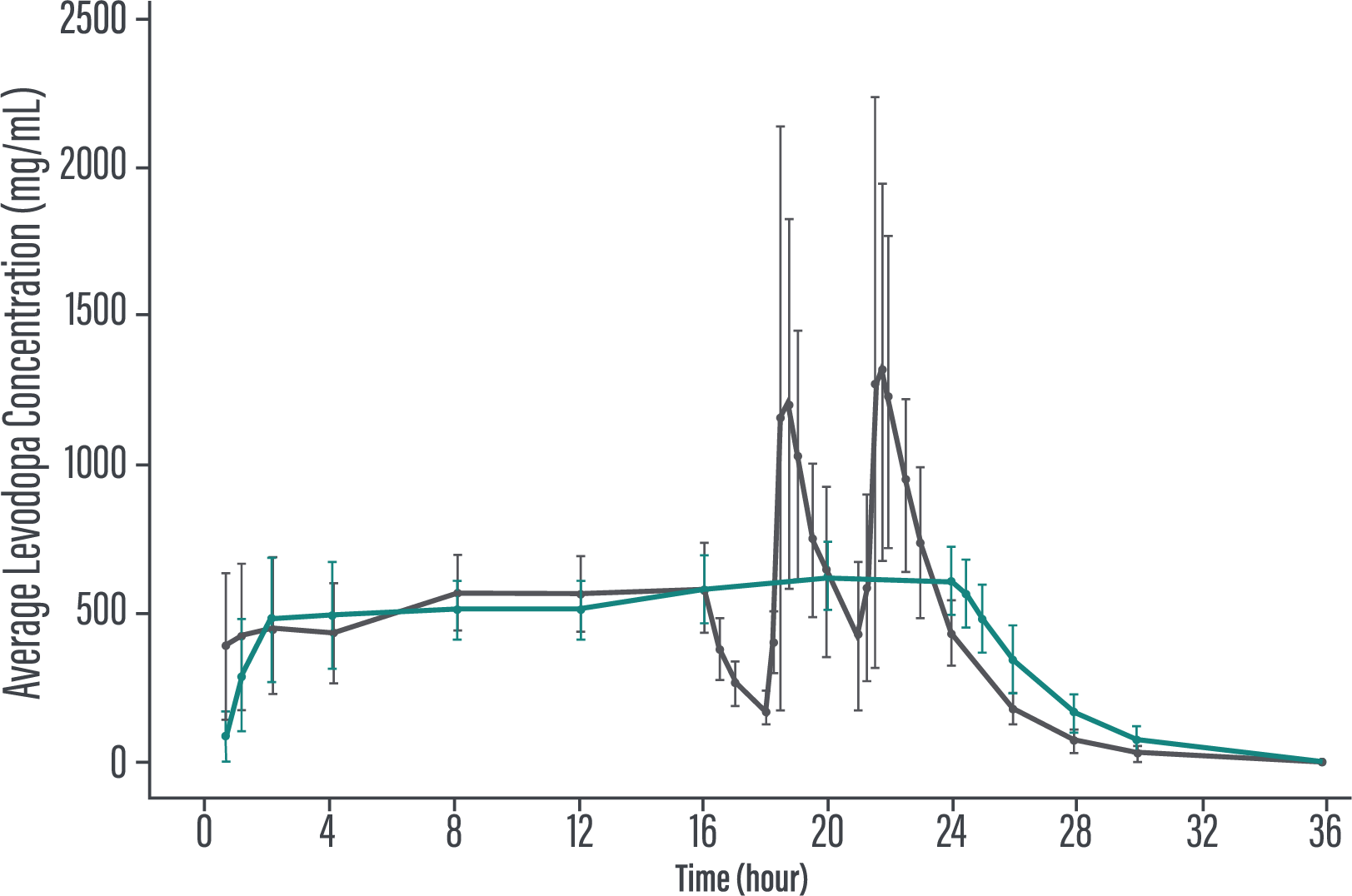
Levodopa exposure following 24-hour PRODUODOPA infusion and 16-hour DUODOPA infusion followed by nighttime oral LD/CD doses7
Formulation

PRODUODOPA

DUODOPA + Nighttime Oral LD/CD
Note to affiliate: the graph presented here is based on the published Rosebraugh reference, however the colors have been adjusted to match the project. Please update per your local rules and regulations.

PRODUODOPA is used for the treatment of advanced levodopa-responsive Parkinson’s disease with severe motor fluctuations and hyperkinesia or dyskinesia when available combinations of Parkinson medicinal products have not given satisfactory results1
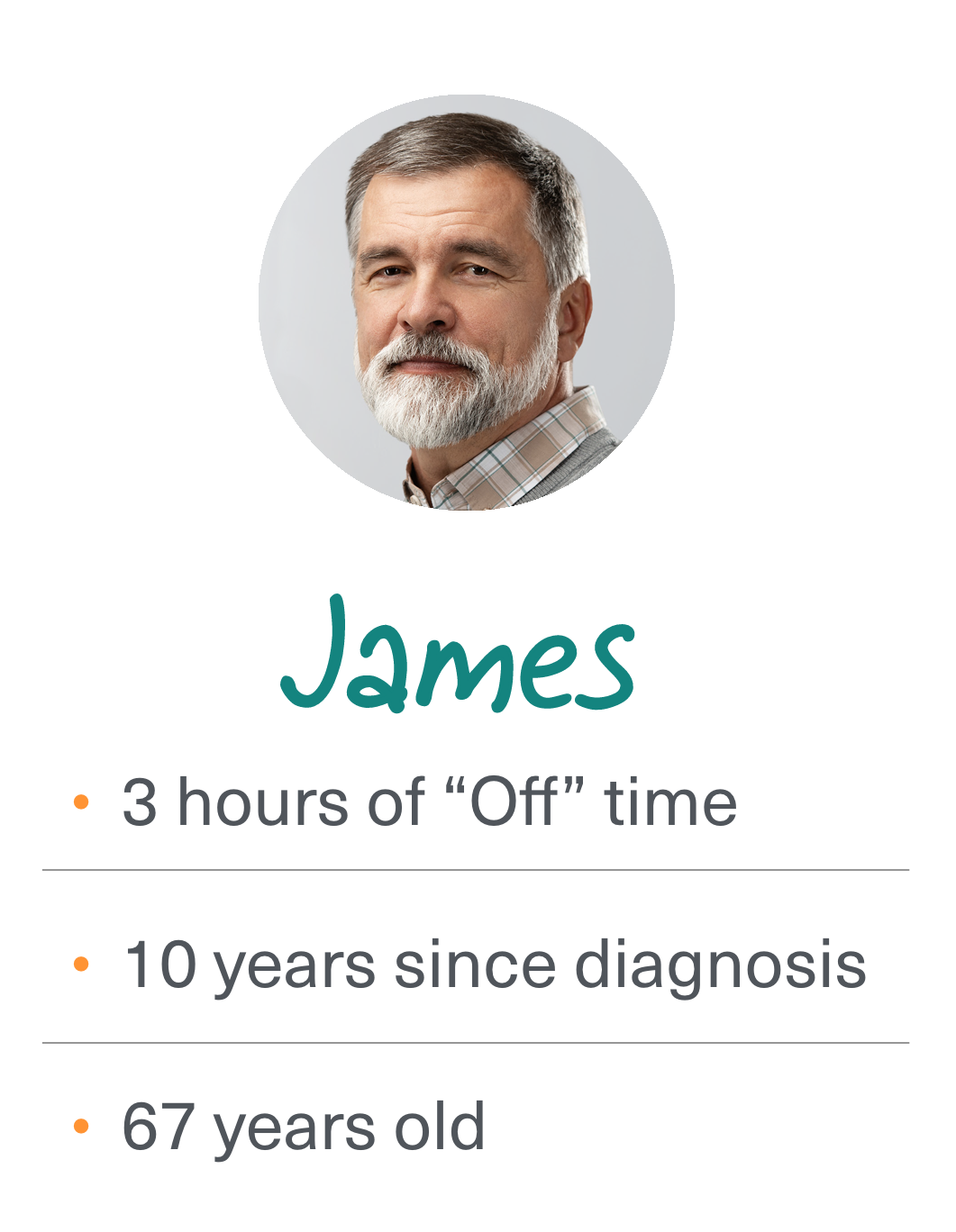
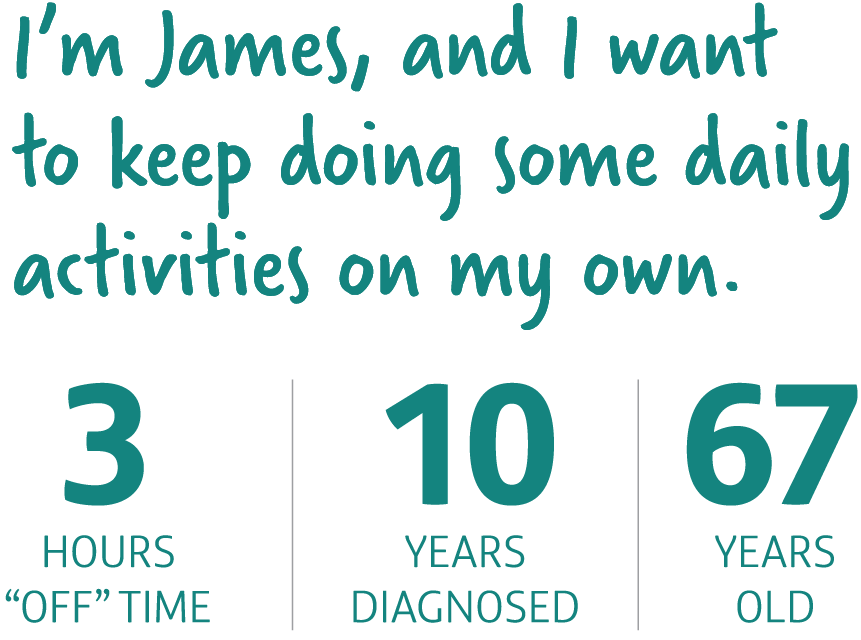
James’s Current Circumstances
• Concerned about his ability to continue living alone
• Increased reliance on his daughter after an increase in motor fluctuations from Parkinson’s disease and involuntary movements from dyskinesia
• More consistent “On” time would help him accomplish everyday activities, like walking his dog in the morning and cooking dinner at night
• Is concerned about surgery
Some of James’s Current Treatments
• Levodopa/carbidopa sustained release 100 mg/25 mg 7x per day
• Opicapone 50 mg once daily at bedtime
Clinical Treatment Goals
• More control of motor fluctuations day and night while minimizing the need for additional levodopa/carbidopa pills
PRODUODOPA Considerations1
• Continuous 24-hour therapy that provides more motor control* morning, day, and night†,‡, without surgery1,2
• 24-hour infusion provides continuous stable levodopa plasma levels1,3
• 3 programmable flow rates (base, low, and high) may help address James’s changing functional needs throughout the day and night1
• Subcutaneous infusion that can be initiated in one office visit§
• PRODUODOPA can be taken alone or, if necessary, with other concurrent medicinal products for PD based on the judgment of the HCP.1
*More refers to improvement
PRODUODOPA is used for the treatment of advanced levodopa-responsive Parkinson’s disease with severe motor fluctuations and hyperkinesia or dyskinesia when available combinations of Parkinson medicinal products have not given satisfactory results.1
Subcutaneous PRODUODOPA and enteral DUODOPA® were shown to have comparable levodopa Cmax and AUC parameters, which support a comparable efficacy profile.1
*In the PRODUODOPA Safety Study, at Week 52 compared to baseline, “On” time without troublesome dyskinesia improved by an average of 3.8 hours (N=104). “Off” time decreased by an average of 3.5 hours (N=104).6
†PRODUODOPA allows for dosing up to 4260 mg levodopa/day with 3 programmable flow rates (base, high, and low) and an extra dose capability. Infusion rates may be adjusted in increments as small as 0.01 mL/hour (~1.7 mg levodopa/hour).1
Please refer to the PRODUODOPA Summary of Product Characteristics (SmPC) for complete Prescribing and Safety Information.

PRODUODOPA is used for the treatment of advanced levodopa-responsive Parkinson’s disease with severe motor fluctuations and hyperkinesia or dyskinesia when available combinations of Parkinson medicinal products have not given satisfactory results1
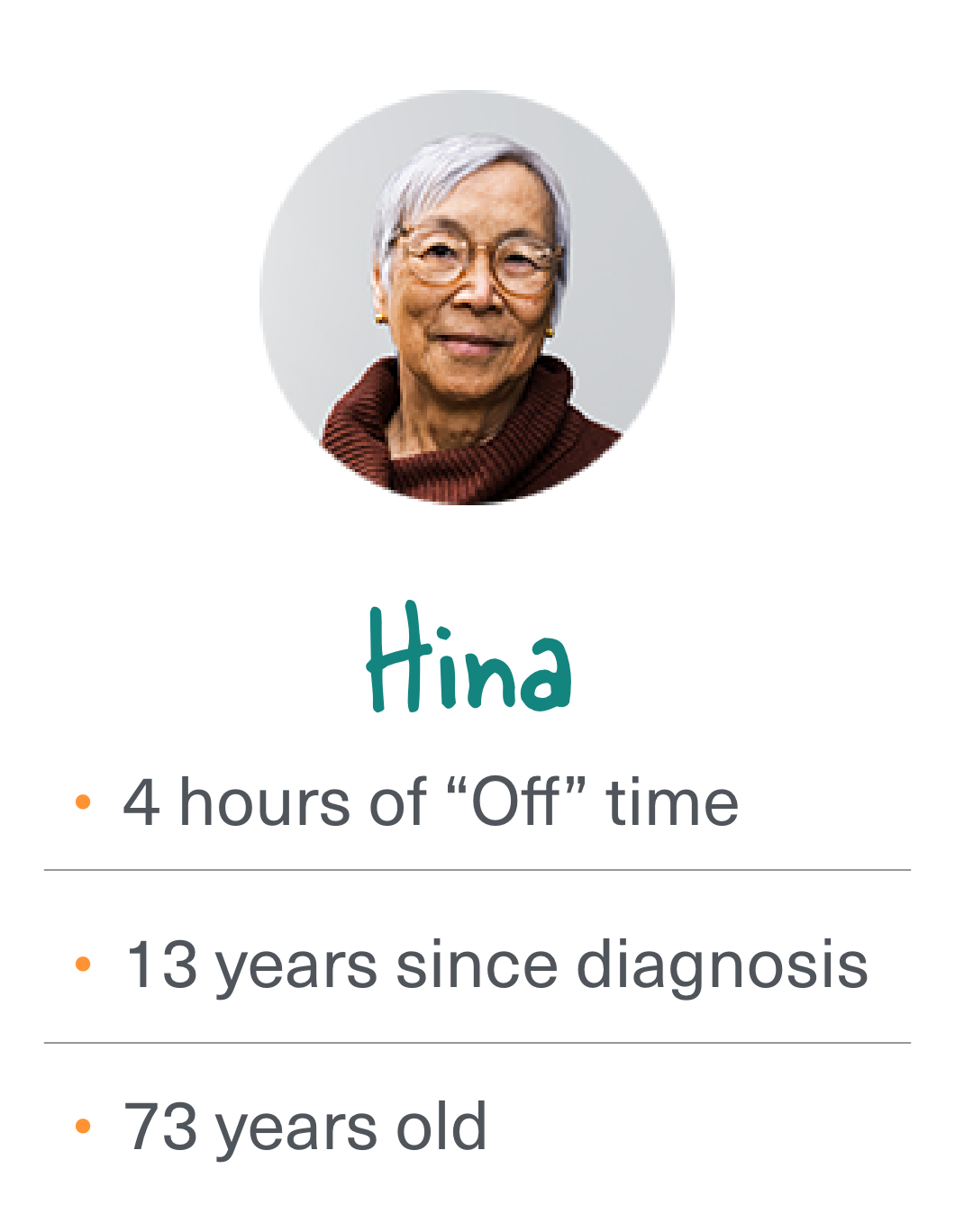
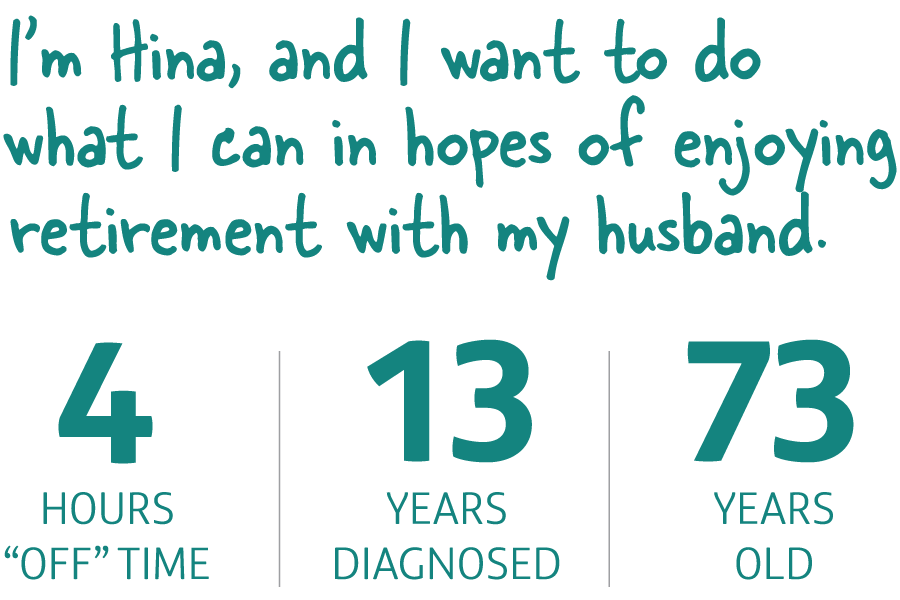
Hina’s Current Circumstances
• More consistent “On” time would help her do daily activities on her own, such as holding a cup of tea and using the stairs
• It’s been difficult for Hina and her husband to keep track of her pill schedule
• Her husband is worried that Hina might fall when she experiences “freezing”
• Hina and her husband have difficulty enjoying family time outside their home
Some of Hina’s Current Treatments
• Levodopa/carbidopa/entacapone 175 mg/43.75 mg/200 mg 5x per day
Clinical Treatment Goals
• More “On” time, and a way to regain some motor control during acute “Off” time
• Better control over increased motor fluctuations as her disease progresses
PRODUODOPA Considerations1
• Continuous, 24-hour therapy that provides increased daily “On” time and decreased daily “Off” time*
• 3 programmable flow rates (base, high, and low) help address Hina’s changing functional needs throughout the day and night
• An extra dose option (if enabled by their healthcare provider) that helps patients achieve symptomatic control during acute “Off” time†
• Subcutaneous infusion that can be initiated in one office visit
PRODUODOPA is used for the treatment of advanced levodopa-responsive Parkinson’s disease with severe motor fluctuations and hyperkinesia or dyskinesia when available combinations of Parkinson medicinal products have not given satisfactory results.1
Subcutaneous PRODUODOPA and enteral DUODOPA® were shown to have comparable levodopa Cmax and AUC parameters, which support a comparable efficacy profile.1
*In the PRODUODOPA Safety Study, at Week 52 compared to baseline, “On” time without troublesome dyskinesia improved by an average of 3.8 hours (N=104). “Off” time decreased by an average of 3.5 hours (N=104).6
†If 5 or more extra doses are used by the patient in a 24-hour period, consider revising the base rate.1
Please refer to the PRODUODOPA Summary of Product Characteristics (SmPC) for complete Prescribing and Safety Information.

PRODUODOPA is used for the treatment of advanced levodopa-responsive Parkinson’s disease with severe motor fluctuations and hyperkinesia or dyskinesia when available combinations of Parkinson medicinal products have not given satisfactory results1
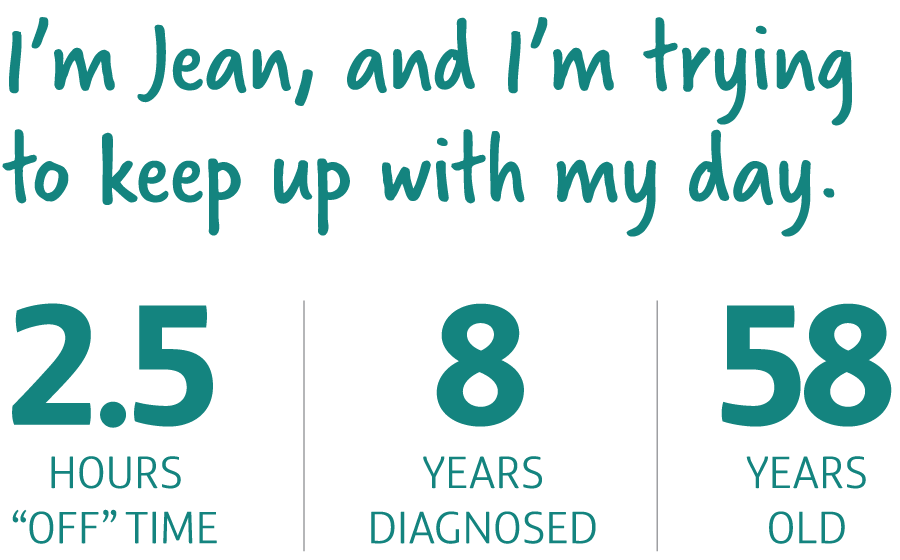
Jean’s Current Circumstances
• “Off” time has recently increased throughout the day and night, making it harder to keep up with his day
• Often misses meetings due to unexpected “Off” time
• No longer walks to work
• Having more consistent “On” time would help keep his disease private from his peers
• Not open to having surgery
• Jean enjoys yoga classes, but his unpredictable symptoms make these challenging
Some of Jean’s Current Treatments
• Levodopa/carbidopa sustained release 100 mg/25 mg 5x per day
• Opicapone 25 mg once daily at bedtime
Clinical Treatment Goals
• More predictable motor control without surgery
• More “On” time throughout the day and night
PRODUODOPA Considerations1
• Continuous, 24-hour therapy that provides increased daily “On” time and decreased daily “Off” time*
• Subcutaneous infusion that can be initiated in one office visit
Subcutaneous PRODUODOPA and enteral DUODOPA® were shown to have comparable levodopa Cmax and AUC parameters, which support a comparable efficacy profile.1
*More refers to improvement compared with oral IR levodopa/carbidopa in “On” and “Off” time at Week 12. In the PRODUODOPA 12-Week Efficacy and Safety Study, based on the PD Diary, the average daily normalized “On” time without troublesome dyskinesia for patients on PRODUODOPA (N=74) was 9.20 (+/−2.42) hours at baseline and increased by 2.72 (+/−0.52) hours at Week 12 compared with an increase of 0.97 (+/−0.50) hours at Week 12 from a baseline of 9.49 (+/−2.62) hours for patients taking optimized oral IR levodopa/ carbidopa (N=67), (LS mean change [SE]). This resulted in a statistically significant increase of 1.75 (+/−0.65) hours in patients on PRODUODOPA vs oral IR LD/CD (LS mean of difference [SE]; P=0.0083). “On” time without troublesome dyskinesia/good “On” time is the sum of “On” time without dyskinesia and “On” time with nontroublesome dyskinesia. The average daily normalized “Off” time for patients on PRODUODOPA was 6.34 (+/−2.27) hours at baseline and decreased by 2.75 (+/−0.50) hours at Week 12 compared with a decrease of 0.96 (+/−0.49) hours at Week 12 from a baseline of 5.91 (+/−1.88) hours for patients taking optimized oral IR levodopa/carbidopa (LS mean change [SE]). This resulted in a statistically significant reduction of 1.79 (+/−0.63) hours in patients on PRODUODOPA vs oral IR LD/CD (LS mean of difference [SE]; P=0.0054).2 †Patients made an entry in a PD Diary upon waking and every 30 minutes during their normal waking time and upon awakening from time asleep.2 ‡PRODUODOPA is a levodopa-based therapy delivered subcutaneously as a 24-hour infusion.1
Please refer to the PRODUODOPA Summary of Product Characteristics (SmPC) for complete Prescribing and Safety Information.