
SKYRIZI: An IL-23/p19 inhibitor2-7
UltIMMa-2 PASI 90
Nothing less than the opportunity for high levels of DURABLE CLEARANCE IN PsO1,8
Superior to ustekinumab:
81% of SKYRIZI patients achieved PASI 90 at Week 52 (NRI)1,8
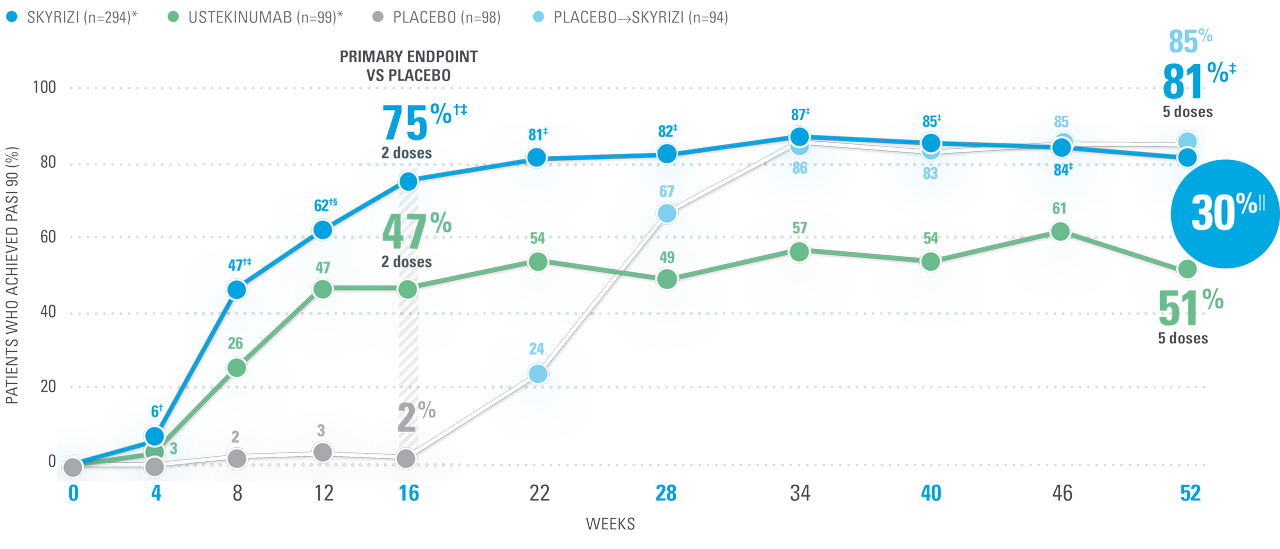
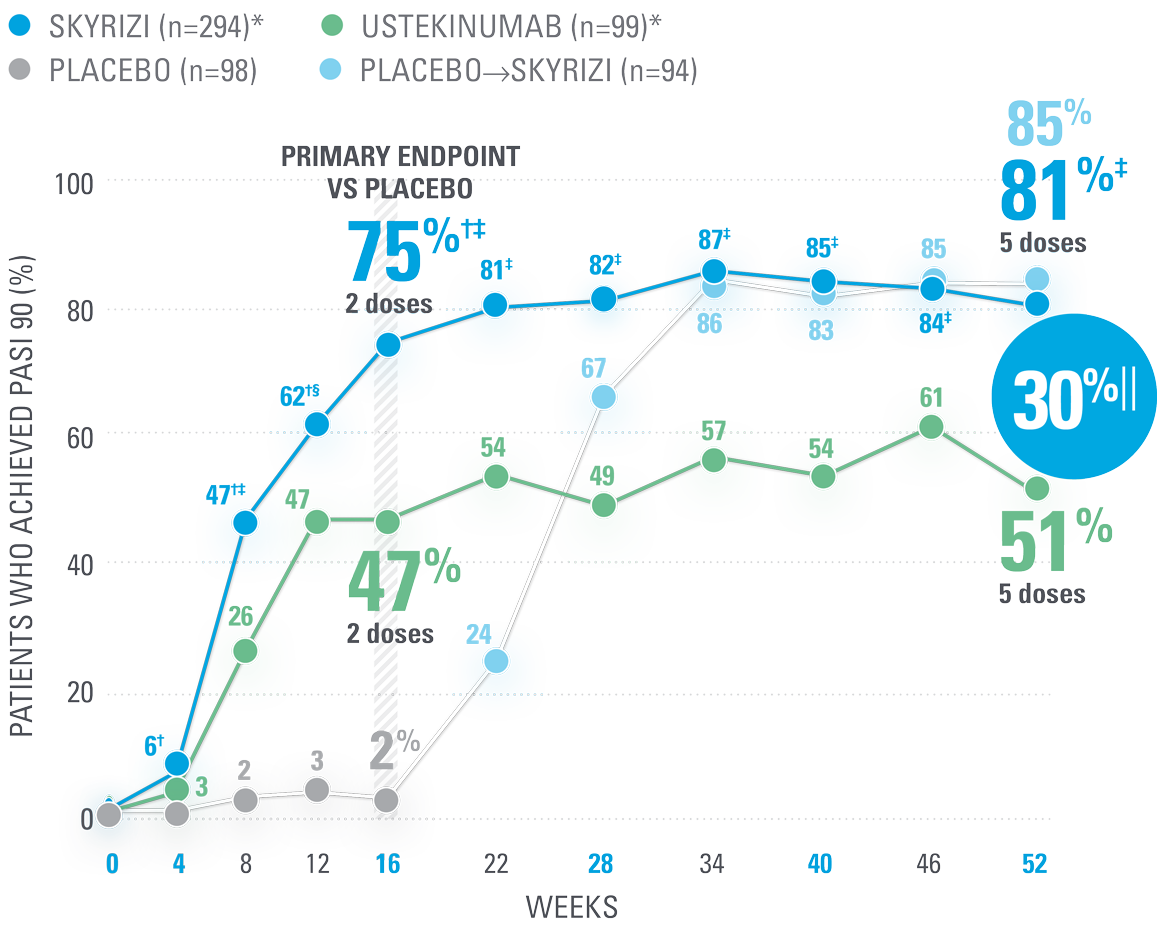
| * | SKYRIZI doses denoted in blue: Participants received 150 mg SKYRIZI (two 75-mg subcutaneous injections) at Week 0, Week 4, and every 12 weeks thereafter. Ustekinumab 45 mg or 90 mg (weight-based per label). Ustekinumab was dosed every 12 weeks after 2 starter doses at Week 0 and Week 4. |
| † | P<0.0001 vs placebo8 |
| ‡ | P<0.0001 vs ustekinumab8 |
| § | P=0.0107 vs ustekinumab8 |
| || | 30% absolute difference in patients achieving PASI 90 at Week 52 with SKYRIZI (95% CI: adjusted difference; 19.6, 40.9).8 |


Watch time: 2 min.
See Dr. Gooderham discuss her experience with the UltIMMa PsO studies
Posted 06/09/19
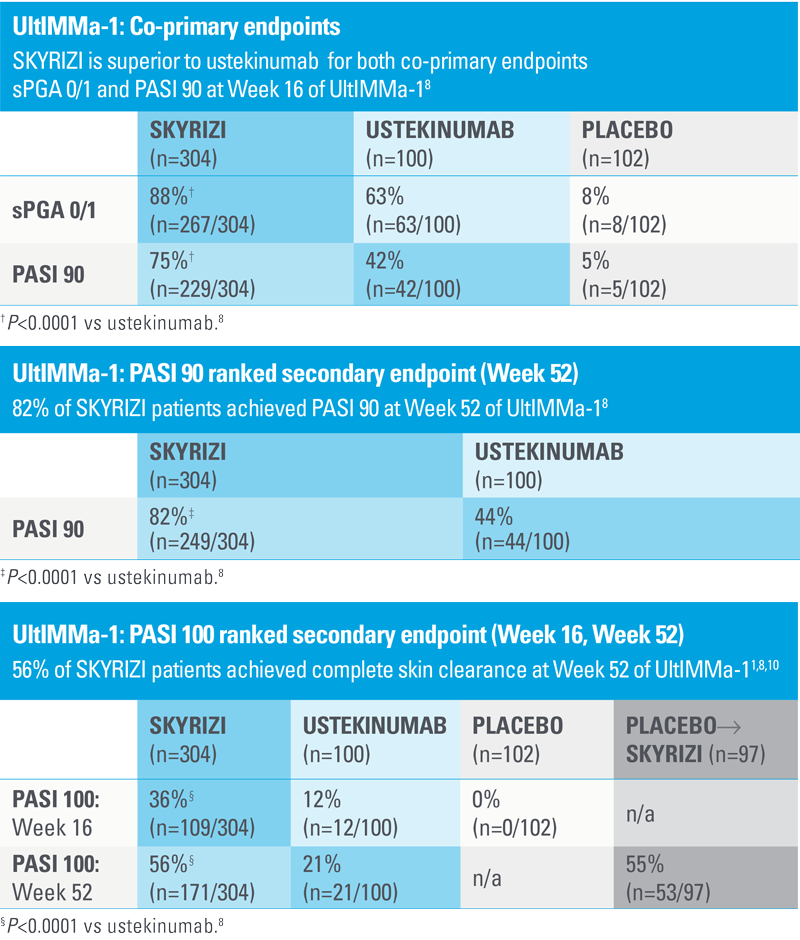
UltIMMa-1 and UltIMMa-2 replicate Phase 3 PsO study designs1,8
PASI 90 and PASI 100 clearance of psoriatic lesions at Week 52 vs ustekinumab were ranked secondary endpoints.
Data analysis: Missing data were imputed as nonresponders (NRI) for categorical endpoints and by last observation carried forward for continuous endpoints.
Co-primary endpoints: Proportion of patients who achieved PASI 90 response and an sPGA score of clear or almost clear (sPGA 0 or 1) at Week 16 vs placebo.
Ranked secondary endpoints: All 15 secondary ranked endpoints vs placebo and/or ustekinumab at Week 16 and/or Week 52 were met in both UltIMMa-1 and UltIMMa-2 (P<0.0001).
Nothing more than 4 INJECTIONS PER YEAR after initiation doses for both PsO and PsA patients1*
NO DOSE ADJUSTMENT regardless of baseline characteristics, including BMI and weight1,11-13†

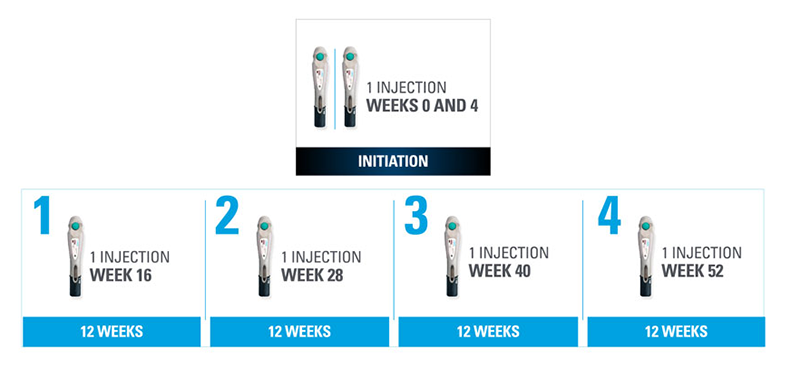
- SKYRIZI is dosed 150 mg (one 150-mg subcutaneous injection) at Week 0, Week 4, and every 12 weeks thereafter.1
- Low rate of injection site reactions at Week 16 (based on an analysis of 5 PsO clinical trials: SKYRIZI 1.5% vs placebo 1.0%)14
| — | In a long-term analysis (up to 70.4 months) of PsO patients, 3.2% of SKYRIZI patients reported injection site reactions—none leading to discontinuation.15‡ |
Consideration should be given to discontinuing treatment in patients who have shown no response after 16 weeks of treatment. Some patients with initial partial response may subsequently improve with continued treatment beyond 16 weeks.
| * | Maintenance dosing (one 150-mg subcutaneous injection/dose) every 12 weeks following a starter dose at Week 0 and Week 4. |
| † | Risankizumab clearance and volume of distribution increase as body weight increases, which may result in reduced efficacy in subjects with high body weight (>130 kg). However, this observation is based on a limited number of subjects. |
| ‡ | Week 16 (5-study pool) and long-term analysis (up to 70.4 months, 12-study pool) represent different pools of patients with varying lengths of treatment exposure included in the long-term data set. |
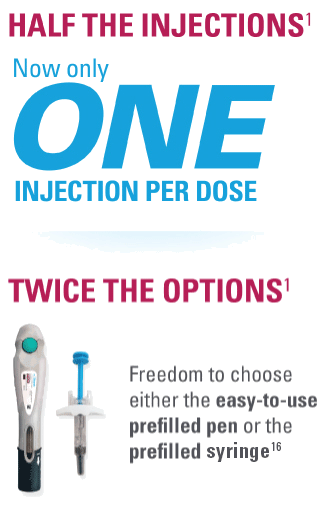
SKYRIZI one injection per dose:
SAME EFFICACY AND SAFETY PROFILE
Same active ingredient | Demonstrated bioequivalence
NOW EVEN SIMPLER WITH
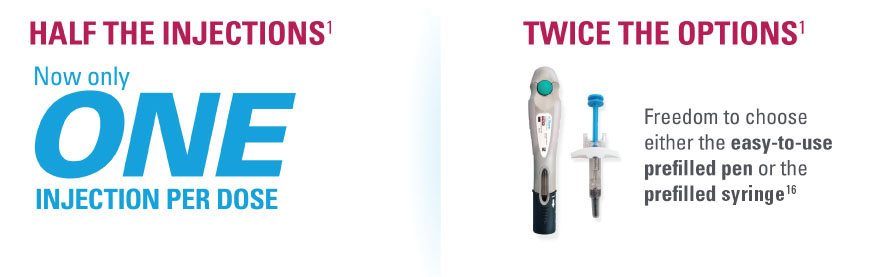
SKYRIZI 150 mg bioequivalence data1
Bioequivalence was demonstrated between a single SKYRIZI 150-mg injection and two SKYRIZI 75-mg injections in a prefilled syringe. Bioeqivalence was also demonstrated between SKYRIZI 150 mg in a prefilled syringe and a prefilled pen.
From a pooled analysis of UltIMMa-1 and UltIMMa-2 data:
HIGH, DURABLE SKIN CLEARANCE regardless of BMI and PsO treatment experience12
Proportion of PsO patients achieving PASI 90 at Week 52 by baseline BMI (NRI)12
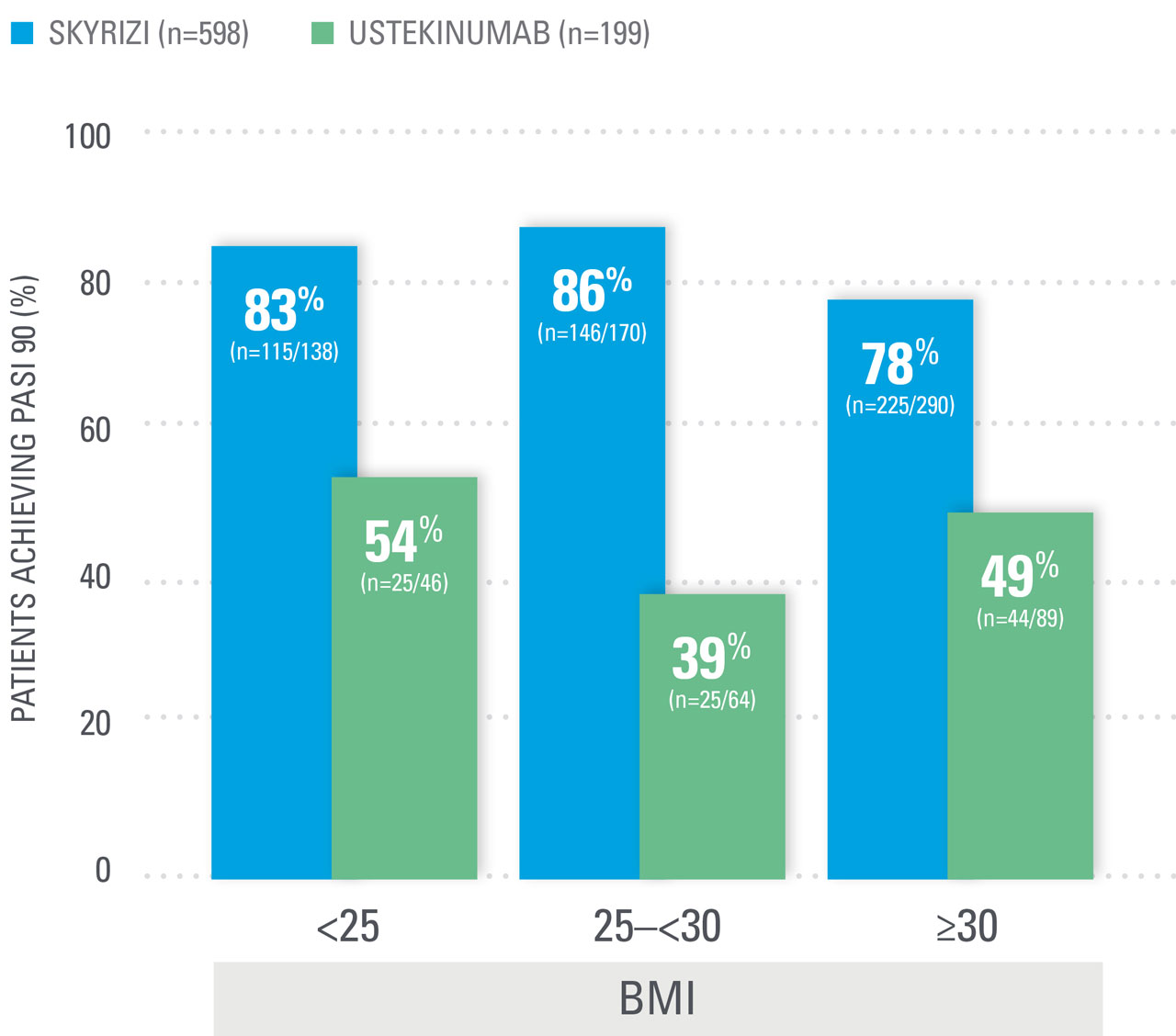
Median PASI at baseline was 18.
Pooled data: UltIMMa-1 and UltIMMa-212
Proportion of PsO patients achieving PASI 90 at Week 52 by treatment experience (NRI)12
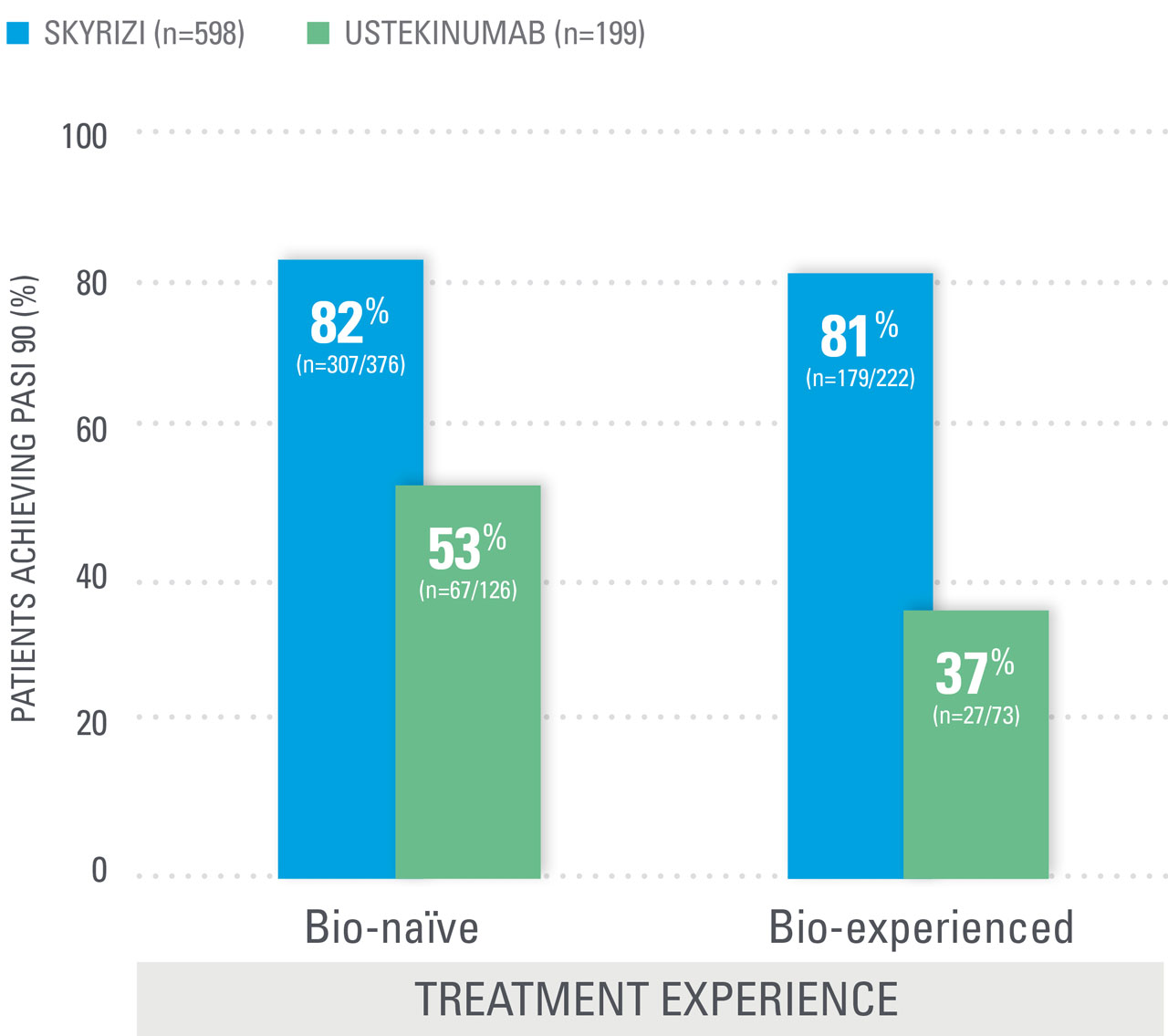
Pooled data: UltIMMa-1 and UltIMMa-212
A FAVORABLE PsO SAFETY PROFILE1

Consistent AEs of
special interest in
PsO patients through
~7 years17*

TEAEs consistent in
PsO across 4 trials with
no new safety signals
observed in the
Phase 3 program1,8,17-20

Safety profile in PsO
similar to ustekinumab
through Week 52
during RCTs1,8

No cases of active TB
reported through ~7 years of
pooled clinical trial data17*
Prior to and during SKYRIZI
treatment, evaluate and monitor
patients for TB. Consider anti-TB
therapy prior to initiating
SKYRIZI in patients with
history of latent or active TB.1

Studied in
~3,200 PsO patients across
~10,000 PYs in an OLE17*

No routine
lab monitoring
requirements1
Advise patients to seek
medical advice if signs or
symptoms of clinically important
chronic or acute infection
occur. Patients with infection
should be closely monitored.
Safety profile in PsA consistent with safety profile observed in PsO1
| * | Integrated all-risankizumab safety data set from 17 completed or ongoing Phase 1–3 risankizumab clinical trials in plaque psoriasis (data cutoff March 25, 2021): UltIMMa-1, UltIMMa-2, IMMhance, IMMvent, Trials 1311.1, 1311.2, 1311.13, 1311.38, M15-999, M16-176, M16-177, M16-178, M16-766, M16-005, M16-007, M19-164, and LIMMitless. Median duration of treatment was 3.7 years (ranging from 1 day to 6.9 years). |
Important contextual information1
SKRYIZI is contraindicated in patients with clinically important active infections (e.g. active tuberculosis).
Tuberculosis: Prior to initiating treatment with SKYRIZI, patients should be evaluated for tuberculosis (TB) infection. Patients receiving SKYRIZI should be monitored for signs and symptoms of active TB. Anti-TB therapy should be considered prior to initiating SKYRIZI in patients with a past history of latent or active TB in whom an adequate course of treatment cannot be confirmed.
Lab monitoring: SKYRIZI may increase the risk of infection. In patients with a chronic infection, a history of recurrent infection, or known risk factors for infection, SKYRIZI should be used with caution.
Treatment with SKYRIZI should not be initiated in patients with any clinically important active infection until the infection resolves or is adequately treated. Patients treated with SKYRIZI should be instructed to seek medical advice if signs or symptoms of clinically important chronic or acute infection occur. If a patient develops such an infection or is not responding to standard therapy for the infection, the patient should be closely monitored and SKYRIZI should not be administered until the infection resolves.
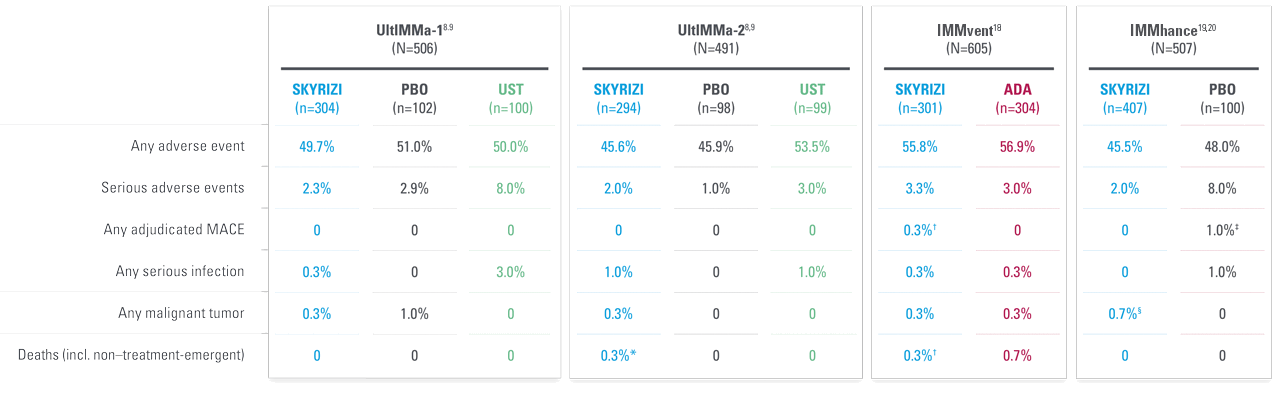
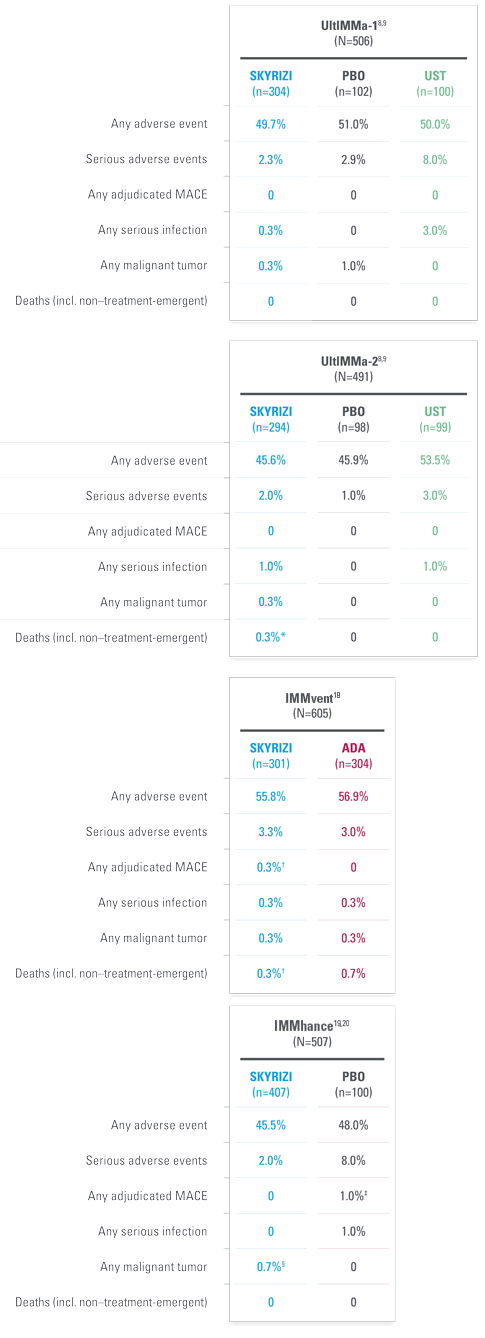
| * | UltIMMa: One non–treatment-emergent death of unknown cause on study Day 189 that occurred 161 days after the last dose of study drug. |
| † | IMMvent: One patient with acute myocardial infarction on study Day 73 (event was not considered to be study drug related by investigator). |
| ‡ | IMMhance: One patient with stroke reported as ischemic stroke on study Day 95. |
| § | IMMhance: One patient with esophageal carcinoma reported on study Day 16, with patient experiencing 40 lbs weight loss six months prior to study participation; one patient with malignant melanoma in situ reported on study Day 102, study drug was not interrupted; one patient with a cutaneous squamous cell carcinoma reported on study Day 89, study drug not interrupted. |
A safety profile similar to ustekinumab in PsO through Week 52 during RCTs:8
- UltIMMa-1—Any AE: SKYRIZI 61.3% (n=182/297) vs ustekinumab 66.7% (n=66/99); Serious AEs: SKYRIZI 5.4% (n=16/297) vs ustekinumab 4.0% (n=4/99); Infections: SKYRIZI 37.7% (n=112/297) vs ustekinumab 41.4% (n=41/99)
- UltIMMa-2—Any AE: SKYRIZI 55.7% (n=162/291) vs ustekinumab 74.5% (n=70/94); Serious AEs: SKYRIZI 4.5% (n=13/291) vs ustekinumab 4.3% (n=4/94); Infections: SKYRIZI 34.7% (n=101/291) vs ustekinumab 48.9% (n=46/94)
Through Week 52, the frequency of the adverse reactions was similar to the safety profile observed during the first 16 weeks of treatment. Through Week 52, the exposure-adjusted rates of serious adverse events per 100 subject-years were 9.4 for subjects treated with SKYRIZI and 10.9 for those treated with ustekinumab. For those subjects exposed to a maximum of 77 weeks of SKYRIZI, no new adverse reactions were identified compared to the first 16 weeks of treatment.1
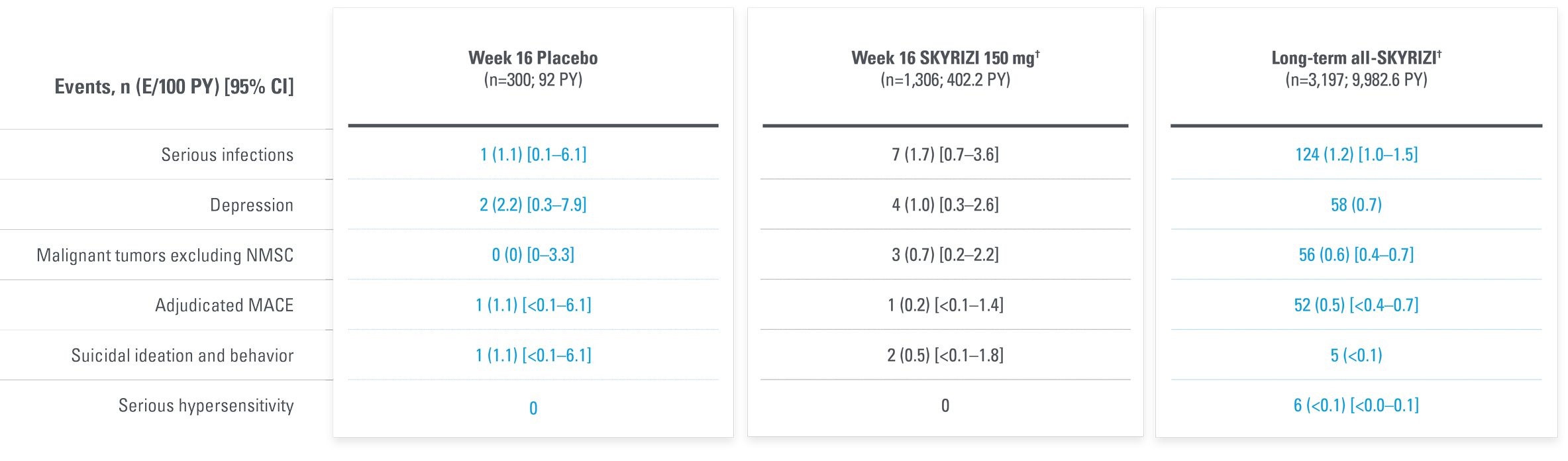
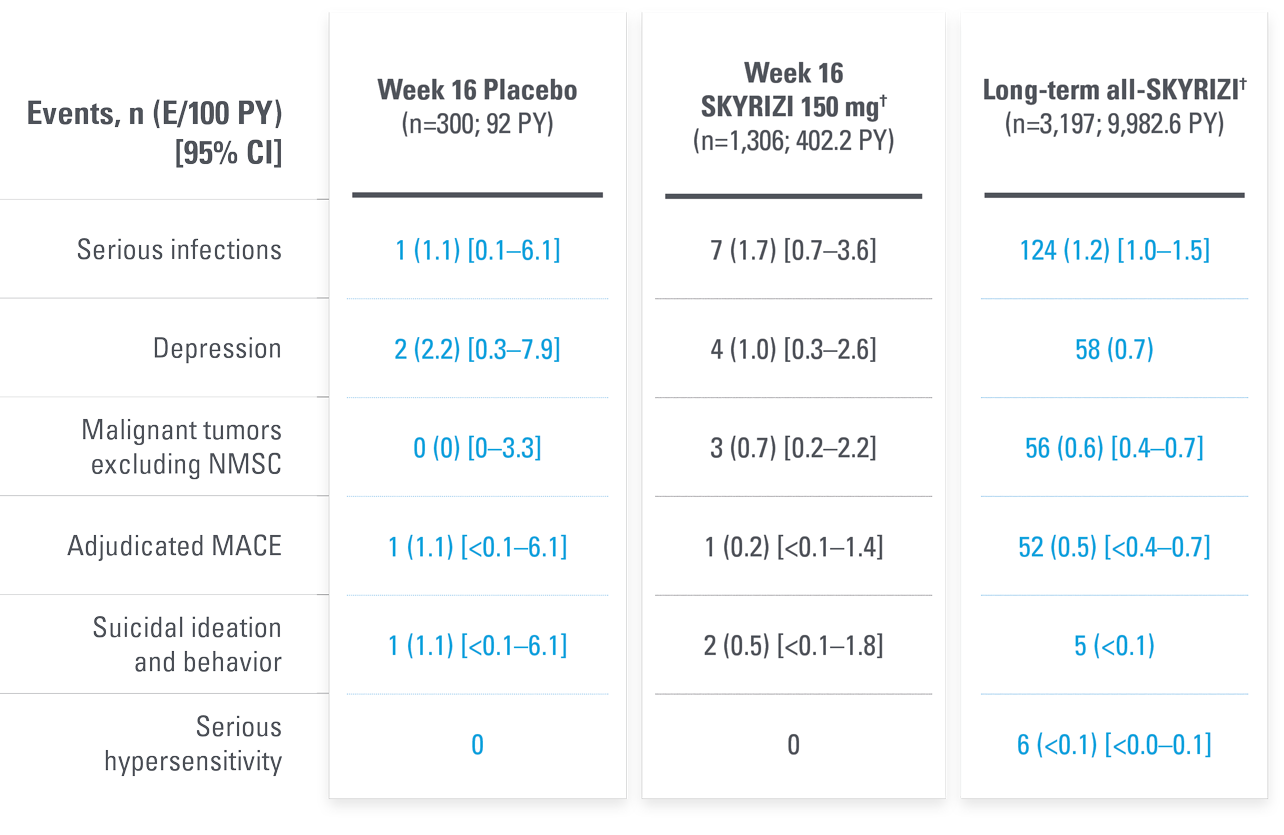
LONG-TERM PsO SAFETY PROFILE CONSISTENT THROUGH ~7 YEARS15,17*
Adverse events of special interest in a pooled analysis from the first 16 weeks of treatment through 6.9 years
SKYRIZI warnings and precautions include infections, tuberculosis, and immunizations.1
- Most commonly reported serious infections were sepsis and pneumonia.
- No cases of active TB reported in the short- or long-term analysis.
- No cases of systemic candidiasis.
- Rate of MACE over the long term (0.5 E/100 PY) consistent with reference rates for MACE reported in PSOLAR (0.51–0.64 E/100 PY).
- No cases of anaphylaxis reported.
- One case of IBD reported.
| * | Short-term safety through Week 16 was evaluated using data integrated from 5 Phase 2 and 3 trials in patients with moderate to severe plaque psoriasis: Trial 1311.2, UltIMMa-1, UltIMMa-2, IMMhance, and IMMvent. Long-term (median duration of treatment was 3.7 years [ranging from 1 day to 6.9 years]) safety was evaluated in a larger all-risankizumab data set from 17 Phase 1–3 completed and ongoing trials as of March 25, 2020, comprising the 5 previously mentioned Phase 2 and 3 trials and 12 additional trials in patients with plaque psoriasis: Trials 1311.1, 1311.13, 1311.38, M15-999, M16-176, M16-177, M16-178, M16-766, M16-005, M16-007, M19-164, and LIMMitless. |
| † | Week 16 (5-study pool) and long-term (up to 6.9 years, 12-study pool) represent different pools of patients with varying lengths of treatment exposure included in the long-term set. Events counted in the Week 16 data are also included in the Long-Term data. |
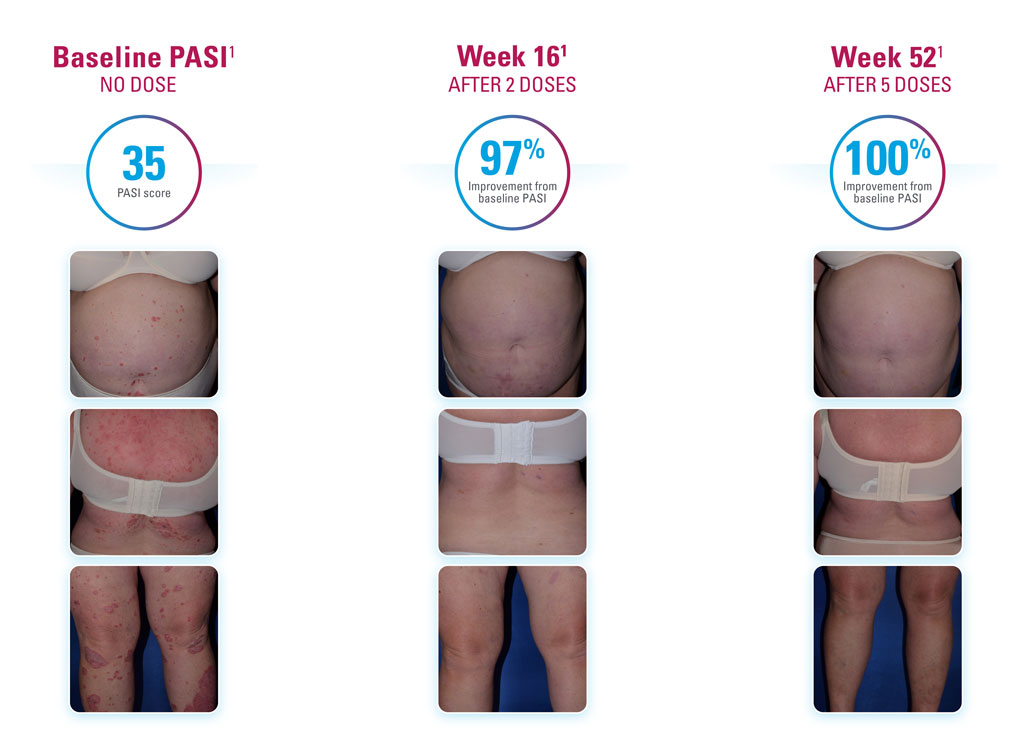
Measurements were taken at each time point prior to administration of the next dose.
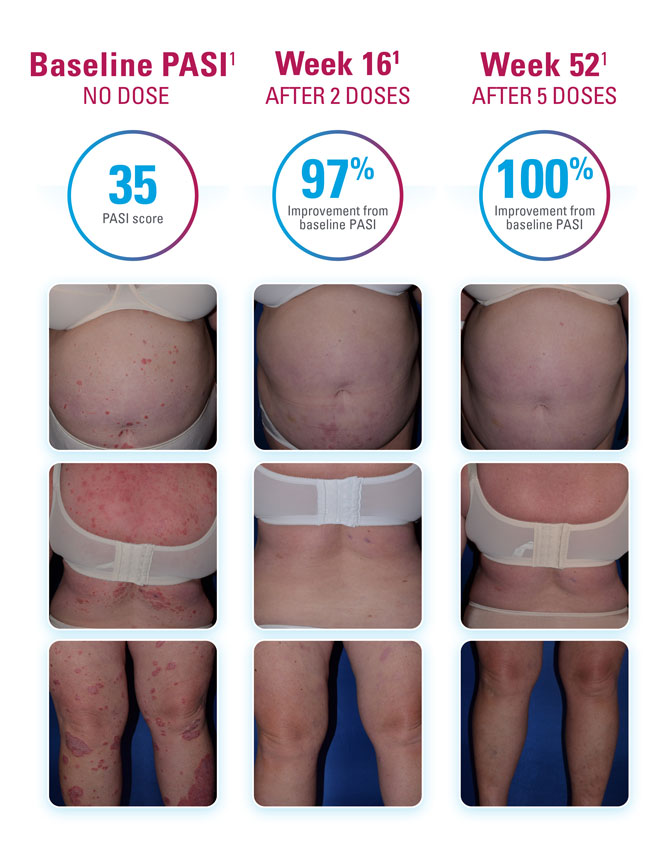
Patient depicted was a participant in the UltIMMa-2 pivotal trial undergoing continuous treatment with SKYRIZI for moderate to severe plaque psoriasis.1,8
DoF ABVRRTI67530
Additional study details
Ranked secondary endpoints
| 1st | sPGA 0 (clear) at Week 16 vs placebo | |||
| 2nd | PASI 100 at Week 16 vs placebo | |||
| 3rd | DLQI 0 or 1 at Week 16 vs placebo | |||
| 4th | PSS 0 at Week 16 vs placebo | |||
| 5th | PASI 90 at Week 16 vs ustekinumab | |||
| 6th | sPGA 0/1 (clear or almost clear) at Week 16 vs ustekinumab | |||
| 7th | PASI 100 at Week 16 vs ustekinumab | |||
| 8th | sPGA 0 (clear) at Week 16 vs ustekinumab | |||
| 9th | PASI 90 at Week 52 vs ustekinumab | |||
| 10th | PASI 100 at Week 52 vs ustekinumab | |||
| 11th | sPGA 0 (clear) at Week 52 vs ustekinumab | |||
| 12th | PASI 75 at Week 12 vs ustekinumab | |||
| 13th | sPGA 0/1 (clear or almost clear) at Week 12 vs ustekinumab | |||
| 14th | DLQI 0 or 1 at Week 16 vs ustekinumab | |||
| 15th | Change from baseline in PSS at Week 16 vs placebo |
UltIMMa-1 and UltIMMa-2 were replicate Phase 3, randomized, double-blind, placebo-controlled and active comparator-controlled trials done at 139 sites in Australia, Austria, Belgium, Canada, Czech Republic, France, Germany, Japan, Mexico, Poland, Portugal, South Korea, Spain, and the United States. Eligible patients were 18 years or older, with moderate to severe chronic plaque psoriasis. In each study, patients were stratified by weight and previous exposure to TNF inhibitor and randomly assigned (3:1:1) by use of interactive response technology to receive 150 mg risankizumab, 45 mg or 90 mg ustekinumab (weight-based per label), or placebo.
Following the 16-week double-blind treatment period (Part A), patients initially assigned to placebo switched to 150 mg risankizumab at Week 16; other patients continued their originally randomized treatment (Part B, double-blind, Weeks 16–52).
Study drug was administered subcutaneously at Weeks 0 and 4 during Part A and at Weeks 16, 28, and 40 during Part B.
Co-primary endpoints were proportions of patients achieving a 90% improvement in the Psoriasis Area Severity Index (PASI 90) and a static Physician’s Global Assessment (sPGA) score of 0 or 1 at Week 16 (nonresponder imputation). All efficacy analyses were done in the intention-to-treat population.
You may also be interested in