


This promotional material is intended for UK Healthcare Professionals only. BOTOX® (botulinum toxin type A) Prescribing Information and adverse event reporting information can be found below.


BOTOX® has a well-characterised safety profile experience from +30 years of use in a range of conditions, with +10 years in chronic migraine5-7
BOTOX® is generally well tolerated in chronic migraine5
The frequency of adverse reactions reported in the clinical trials is defined as follows: Very Common (≥1/10); Common (≥1/100 to <1/10); Uncommon (≥1/1,000 to <1/100); Not known (cannot be estimated from the available data)
| System organ class | Preferred term | Frequency |
|---|---|---|
| Nervous system disorders | Headache*, migraine*, including worsening of migraine, facial paresis | Common |
| Eye disorders | Eyelid ptosis | Common |
| Eyelid oedema | Uncommon | |
| Gastrointestinal disorders | Dysphagia | Uncommon |
| Skin and subcutaneous tissue disorders | Pruritus, rash | Common |
| Pain of skin | Uncommon | |
| Musculoskeletal and connective tissue disorders | Neck pain, myalgia, musculoskeletal pain, musculoskeletal stiffness, muscle spasms, muscle tightness, muscular weakness | Common |
| Pain in jaw | Uncommon | |
| Mephisto sign (lateral elevation of eyebrows) | Not known | |
| General disorders and administration site conditions | Injection site pain | Common |
*In placebo-controlled trials, headache and migraine, including serious cases of intractable or worsening of headache/migraine, were reported more frequently with BOTOX® (9%) than with placebo (6%). They typically occurred within the first month after the injections and their incidence declined with repeated treatments.
Cases of iatrogenic botulism have been reported following injection of botulinum toxin products. Patients and caregivers should be advised to seek immediate medical advice if they experience any signs or symptoms consistent with the spread of botulinum toxin effect or if swallowing, speech or respiratory disorders arise (see section 4.9). Most cases have been reported following the use of botulinum toxin containing products when used for unapproved indications and/or administration into unapproved injection sites or following use of higher than recommended doses and the use of unlicensed products.5
Adverse events in the PREEMPT and COMPEL studies
PREEMPT: At Week 24 and 56

Adapted from Aurora S K et al, 20112
COMPEL: At Week 108

Adapted from Blumenfeld M A et al, 20183
Discontinuation rates due to adverse events in the PREEMPT and COMPEL studies
PREEMPT: at Week 24 (N=687)2
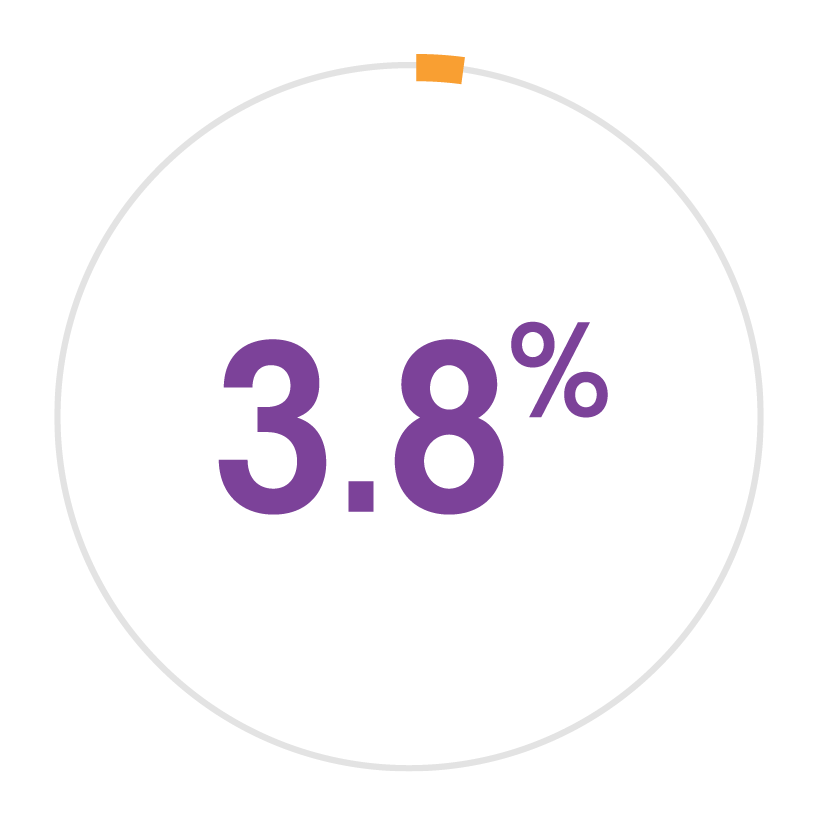
At Week 24, placebo discontinue rate was 1.2%
COMPEL: at Week 108 (N=716)8
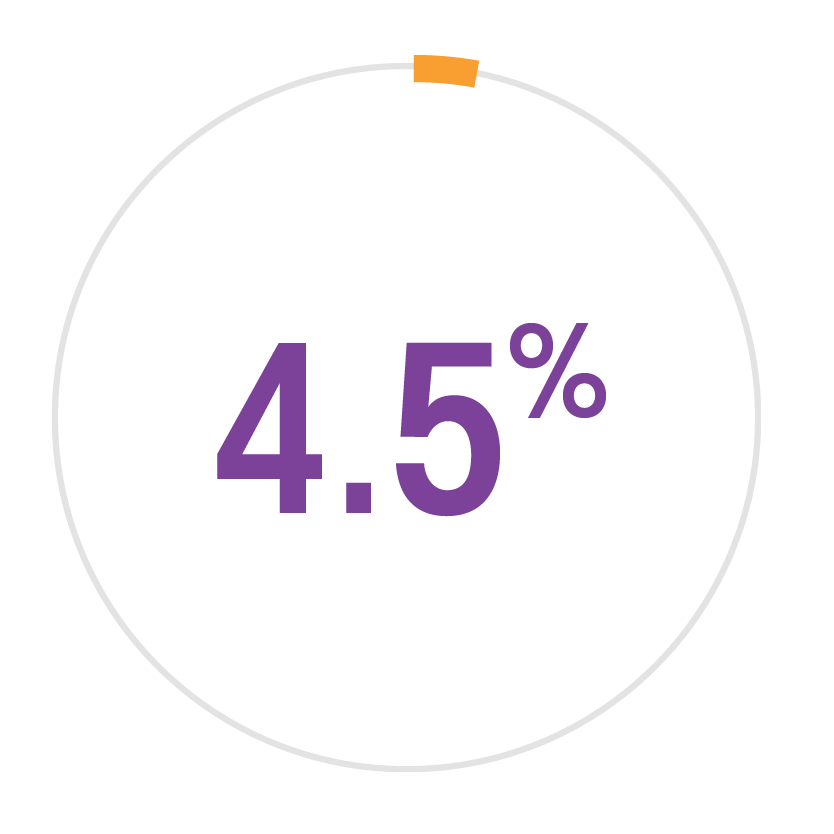
COMPEL was an open-label prospective study, with no placebo arm
The rate of treatment-emergent adverse events progressively decreases with subsequent rounds of BOTOX® treatment.9
DB, double blind; CM, chronic migraine; OL, open label; TRAE, treatment-related adverse event.
By clicking the link above you will leave the AbbVie Pro website and be taken to the eMC PI portal website.
Adverse events should be reported. Reporting forms and information can be found at https://yellowcard.mhra.gov.uk/
Adverse events should also be reported to AbbVie on GBPV@abbvie.com
Date of preparation: May 2026. UK-BCM-260022.
