


ABBREVIATED PRESCRIBING INFORMATION:
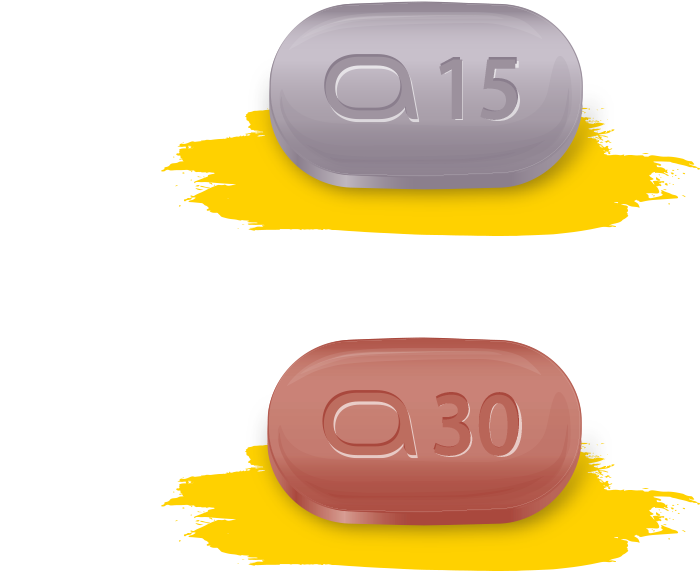
RINVOQ® (upadacitinib) 15 mg prolonged-release tablets; 30 mg prolonged-release tablets and 45 mg prolonged-release tablets.
Please refer to Summary of Product Characteristics (SmPC) before prescribing.
PRESENTATIONS: Each tablet contains upadacitinib hemihydrate, equivalent to 15 mg upadacitinib in the 15 mg tablet, 30 mg in 30 mg tablet and 45 mg in 45 mg tablet.
INDICATIONS: Treatment of moderate to severe active rheumatoid arthritis (RA) and active psoriatic arthritis (PsA) in adult patients who have responded inadequately to, or who are intolerant to one or more disease-modifying anti-rheumatic drugs (DMARDs). RINVOQ may be used as monotherapy or in combination with methotrexate. Treatment of active non-radiographic axial spondyloarthritis (nr-axSpA) in adult patients with objective signs of inflammation as indicated by elevated C-reactive protein (CRP) and/or magnetic resonance imaging (MRI), who have responded inadequately to nonsteroidal anti-inflammatory drugs (NSAIDs). Treatment of active ankylosing spondylitis (AS, radiographic axial spondyloarthritis) in adult patients who have responded inadequately to conventional therapy. Treatment of moderate to severe atopic dermatitis (AD) in adults and adolescents 12 years and older who are candidates for systemic therapy. Treatment of adult patients with moderately to severely active ulcerative colitis (UC) or moderately to severely active Crohn’s disease (CD) who have had an inadequate response, lost response or were intolerant to either conventional therapy or a biologic agent.
DOSAGE AND ADMINISTRATION: Treatment with upadacitinib should be initiated and supervised by physicians experienced in diagnosis and treatment of conditions for which upadacitinib is indicated. Oral administration, with or without food, any time of day, to be swallowed whole. Food or drink containing grapefruit should be avoided during treatment. RA, PsA, AS, and nr-axSpA: 15 mg once daily. Consideration should be given to discontinuing treatment in patients with AS and nr-axSpA who have shown no clinical response after 16 weeks of treatment; some patients with initial partial response may subsequently improve with continued treatment beyond 16 weeks.
AD: 15 mg or 30 mg once daily based on individual patient presentation (see SmPC for details). A dose of 15 mg is recommended for patients at higher risk of venous thromboembolism (VTE), major adverse cardiovascular events (MACE) and malignancy. In adolescents (12 to 17 years of age) ≥ 30 kg, a dose of 15 mg is recommended. If patient does not respond adequately, the dose can be increased to 30 mg once daily. The lowest effective dose to maintain response should be used. Patients ≥ 65 years of age: recommended dose is 15mg once daily. Upadacitinib 30 mg once daily dose is not recommended for patients with AD receiving chronic treatment with strong CYP3A4 inhibitors. Consideration should be given to discontinuing upadacitinib treatment in any patient who shows no evidence of therapeutic benefit after 12 weeks of treatment.
UC: Induction; 45 mg once daily for 8 weeks. For patients who do not achieve therapeutic benefit by week 8, 45 mg once daily may be continued for an additional 8 week period. Discontinue treatment in patients with no evidence of therapeutic benefit by week 16. Maintenance; 15 mg or 30 mg once daily based on individual patient presentation (see SmPC for details). Dose of 15 mg is recommended for patients at higher risk of VTE, MACE and malignancy. The lowest effective dose to maintain response should be used. Patients ≥ 65 years of age: recommended dose is 15 mg once daily. In patients who have responded to treatment with upadacitinib, corticosteroids may be reduced and/or discontinued in accordance with standard of care. For patients with UC using strong CYP3A4 inhibitors the recommended induction dose is 30 mg once daily and maintenance dose is 15 mg once daily.
CD: Induction; 45 mg once daily for 12 weeks. For patients who have not achieved adequate therapeutic benefit after the initial 12-week induction, 30 mg once daily for an additional 12 weeks may be considered. For these patients, upadacitinib should be discontinued if there is no evidence of therapeutic benefit after 24 weeks of treatment. Maintenance; 15 mg or 30 mg once daily based on individual patient presentation (see SmPC for details). A dose of 15 mg once daily is recommended for patients at higher risk of VTE, MACE and malignancy. The lowest effective dose to maintain response should be used. Patients ≥ 65 years of age: recommended dose is 15 mg once daily. In patients who have responded to treatment with upadacitinib, corticosteroids may be reduced and/or discontinued in accordance with standard of care. For patients with CD using strong CYP3A4 inhibitors the recommended induction dose is 30 mg once daily and maintenance dose is 15 mg once daily.
Special Populations: Elderly: Upadacitinib should only be used in patients ≥ 65 years if no suitable treatment alternatives are available. For AD patients ≥ 65 years of age, a dose higher than 15 mg once daily is not recommended. For RA, PsA, AS and nr- axSpA there are limited data for patients 75 years of age and older. For UC and CD maintenance therapy, a dose higher than 15 mg once daily is not recommended in patients ≥ 65 years of age. For UC and CD patients ≥ 75 years of age the safety and efficacy of upadacitinib has not been established. Renal: No dose adjustment required in mild-moderate renal impairment. Patients with severe renal impairment should use upadacitinib with caution (See SmPC for dose adjustments). Upadacitinib is not recommended in patients with end stage renal disease. Hepatic impairment: No dose adjustment is required in patients with mild (Child-Pugh A) or moderate (Child-Pugh B) hepatic impairment. Upadacitinib should not be used in patients with severe (Child Pugh C) hepatic impairment. Paediatric Population: Safety and efficacy in RA, AS, PsA, nr- axSpA, UC and CD in children and adolescents aged 0 to <18 years and in AD in children under 12 years of age has not been established. No clinical exposure data are available in AD adolescents < 40 kg.
CONTRAINDICATIONS: Hypersensitivity to active substance or excipients. Active tuberculosis (TB) or active serious infections. Severe hepatic impairment. Pregnancy.
SPECIAL WARNINGS AND PRECAUTIONS: See SmPC for full details.
Upadacitinib should only be used if no suitable treatment alternatives are available in patients: 65 years of age and older; with history of atherosclerotic cardiovascular disease or other cardiovascular risk factors (such as current or past long-time smokers) or with malignancy risk factors (e.g. current malignancy or history ofmalignancy). |
Immunosuppression: Combination use, with immunosuppressants e.g. azathioprine, 6-mercaptopurine, ciclosporin, tacrolimus, and biologic DMARDs or other JAK inhibitors has not been evaluated in clinical studies and is not recommended as the risk of additive immunosuppression cannot be excluded. Serious infections: Serious and sometimes fatal infections have been reported. Caution when treating patients ≥65 years. Most frequently reported included pneumonia and cellulitis. Bacterial meningitis and sepsis have been reported. Opportunistic infections reported – TB, multidermatomal herpes zoster, oral/oesophageal candidiasis, and cryptococcosis. Do not initiate treatment in patients with active, serious infection, including localised infections. Consider the risk/benefit of treatment in patients with: chronic or recurrent infection, history of serious or opportunistic infection, those exposed to TB, those who have resided or travelled in areas of endemic TB or endemic mycoses, those with underlying conditions that may pre-dispose patients to infection, those with diabetes. Closely monitor patients for signs and symptoms of infection during and after treatment. Interrupt treatment if the patient develops a serious/opportunistic infection. If infection is controlled, resume treatment following risk/benefit consideration. A higher rate of serious infections was observed with upadacitinib 30 mg compared to upadacitinib 15 mg. Tuberculosis: Pre-screen patients for TB. Upadacitinib should not be given to patients with active TB. Consider anti-TB therapy in patients with previously untreated latent TB or in patients with risk factors for TB infection. Consult with a physician with experience in TB therapy to assess whether initiating anti-TB therapy is appropriate for an individual patient. Monitor patients for the development of signs and symptoms of TB, including patients who tested negative for latent TB infection prior to initiating therapy. Viral reactivation: Cases, including herpes virus reactivation, have been reported e.g. herpes zoster. If a herpes zoster develops, consider interruption of upadacitinib therapy until the episode resolves. Screen for viral hepatitis and monitor for reactivation before starting and during therapy with upadacitinib. Patients, positive for hepatitis C antibody/hepatitis C virus RNA and hepatitis B surface antigen/hepatitis B virus DNA were excluded from clinical studies. If hepatitis B virus DNA is detected while receiving upadacitinib, a liver specialist should be consulted. Vaccination: Use of live, attenuated vaccines during or immediately prior to therapy is not recommended. It is recommended that patients be brought up to date with all immunisations, including prophylactic zoster vaccinations prior to starting therapy, in agreement with current immunisation guidelines. Malignancy: Lymphoma, non-melanoma skin cancer (NMSC) and other malignancies have been reported in patients receiving JAK inhibitors, including upadacitinib. There is a higher rate of malignancies and NMSCs with upadacitinib 30 mg compared to 15 mg. Periodic skin examination is recommended for all patients, particularly those with risk factors for skin cancer. See SmPC for full details. Haematological abnormalities: Do not start therapy if Absolute Neutrophil Count < 1 x 10⁹ cells/L, Absolute Lymphocyte Count < 0.5 x 10⁹ cells/L or Hb < 8 g/dL. Monitor at baseline and no later than 12 weeks after initiation and thereafter according to individual patient management. Temporarily stop therapy if abnormal haematological parameters as specified are detected. Gastrointestinal perforations: Events of diverticulitis and gastrointestinal perforations have been reported. Use with caution in patients who may be at risk for gastrointestinal perforation (e.g., patients with diverticular disease, a history of diverticulitis, or who are taking non-steroidal anti- inflammatory drugs (NSAIDs), corticosteroids, or opioids). Patients with active Crohn’s disease are at increased risk for developing intestinal perforation. Patients presenting with new onset abdominal signs and symptoms should be evaluated promptly for early identification of diverticulitis or gastrointestinal perforation. Major adverse cardiovascular events: Events of MACE were observed in clinical studies of upadacitinib (See SmPC for full details). Lipids: Monitor total cholesterol, low-density lipoprotein (LDL) and high-density lipoprotein (HDL) cholesterol at 12 weeks and thereafter according to international guidelines for hyperlipidaemia. Elevated LDL decreased to pre-treatment levels in response to statin therapy, although evidence is limited. The effect of these lipid parameter elevations on cardiovascular morbidity and mortality has not been determined. Hepatic transaminase elevations: Hepatic transaminases must be evaluated at baseline and thereafter according to routine patient management. Prompt investigation of the cause of liver enzyme elevation is recommended to identify potential cases of drug-induced liver injury. In such cases therapy should be interrupted until this diagnosis is excluded. Venous thromboembolism: Deep vein thrombosis (DVT) and pulmonary embolism (PE) were observed in clinical trials for upadacitinib. Use therapy with caution in patients with known VTE risk factors other than cardiovascular or malignancy risk factors. Risk factors include previous VTE, patients undergoing major surgery, immobilisation, use of combined hormonal contraceptives or hormone replacement therapy, and inherited coagulation disorder. Patients should be re- evaluated periodically during upadacitinib treatment to assess for changes in VTE risk. Patients with signs and symptoms of VTE should be promptly evaluated and treatment should be discontinued if VTE suspected, regardless of dose. Hypersensitivity: Anaphylaxis and angioedema have been reported in patients receiving upadacitinib. Treatment must be discontinued and appropriate therapy must be instituted if clinically significant hypersensitivity occurs. Hypoglycaemia in patients treated for diabetes: Hypoglycaemia has been reported following initiation of JAK inhibitors, including upadacitinib, in patients receiving treatment for diabetes. Dose adjustment of anti- diabetic medicinal products may be necessary if hypoglycemia occurs.
Driving and use of machines: Upadacitinib may have a minor influence on the ability to drive and use machines because dizziness and vertigo may occur during treatment with RINVOQ.
INTERACTIONS: Avoid food and drink containing grapefruit during treatment with upadacitinib. Caution should be used with strong CYP3A4 inhibitors, see SmPC for dosing considerations. Alternatives to strong CYP3A4 inhibitor medications should be considered when used in the long-term. CYP3A4 inducers may reduce therapeutic effect. Patients should be monitored for changes in disease activity if upadacitinib is co- administered with strong CYP3A4 inducers.
FERTILITY, PREGNANCY AND LACTATION: Upadacitinib is contraindicated during pregnancy. Women of childbearing potential have to use effective contraception during treatment and for 4 weeks following the final dose of upadacitinib. Female paediatric patients and/or their parents/caregivers should be informed about the need to contact the treating physician once the patient experiences menarche while taking upadacitinib. Upadacitinib should not be used during breast-feeding. The effect of upadacitinib on human fertility has not been evaluated.
UNDESIRABLE EFFECTS: The most common serious adverse reactions were serious infections (see SmPC). Very common (≥1/10): Upper respiratory tract infections, acne. Common (≥1/100 to <1/10): Bronchitis, herpes zoster, herpes simplex, folliculitis, influenza, urinary tract infection, pneumonia, non-melanoma skin cancer, anaemia, neutropenia, lymphopenia, urticaria, hypercholesterolaemia, hyperlipidaemia, headache, dizziness, vertigo, cough, abdominal pain, nausea, rash, fatigue, pyrexia, increased blood CPK/ALT/AST, increased weight. Skin papilloma was reported as a common adverse drug reaction in adolescent patients with AD. Refer to Section 4.8 of the SmPC for details of other side effects, and for further information.
Adverse events should be reported. Healthcare professionals are asked to report any suspected adverse reactions via HPRA Pharmacovigilance, website: www.hpra.ie.
LEGAL CLASSIFICATION: POM (S1A)
MARKETING AUTHORISATION NUMBERS/PRESENTATIONS:
EU/1/19/1404/001: RINVOQ 15 mg prolonged-release tablets in cartons of 28 tablets; EU/1/19/1404/006: RINVOQ 30 mg prolonged-release tablets in cartons of 28 tablets; EU/1/19/1404/010: RINVOQ 45 mg prolonged-release tablets in cartons of 28 tablets.
MARKETING AUTHORISATION HOLDER: AbbVie Deutschland GmbH & Co. KG, Knollstrasse, 67061 Ludwigshafen, Germany.
Further information is available from AbbVie Limited, 14 Riverwalk, Citywest Business Campus, Dublin 24, Ireland.
DATE OF REVISION: November 2024 PI-1404-014

HCP RESOURCES
DOSING

SAFETY

HOME
IE-__________ | Date of preparation: September 2024.
